

RPEEPs, Powered Evacuation Chairs and Powered Stairclimbers in Manchester: Improving Inclusive Emergency Evacuation
In every major city, emergency planning is becoming increasingly focused on inclusion. Across Manchester, organisations are recognising that evacuation procedures must work for everyone, including people with mobility impairments, temporary injuries, older adults and visitors who may require additional assistance. This is where RPEEPs, Powered Evacuation Chairs and Powered Stairclimbers are transforming the way buildings prepare for emergency situations.
RPEEPs, or Residential Personal Emergency Evacuation Plans, provide a structured approach to ensuring residents who may need assistance can evacuate safely. When combined with Powered Evacuation Chairs and Powered Stairclimbers, organisations can create evacuation strategies that are practical, efficient and compliant with modern safety expectations.
The growing demand for inclusive evacuation solutions across Manchester reflects wider awareness of accessibility responsibilities. Building owners, facilities managers, housing providers and health and safety professionals are increasingly investing in technology and planning that helps protect occupants during emergencies. The integration of RPEEPs with Powered Evacuation Chairs and Powered Stairclimbers creates a comprehensive framework that supports both preparedness and operational confidence.
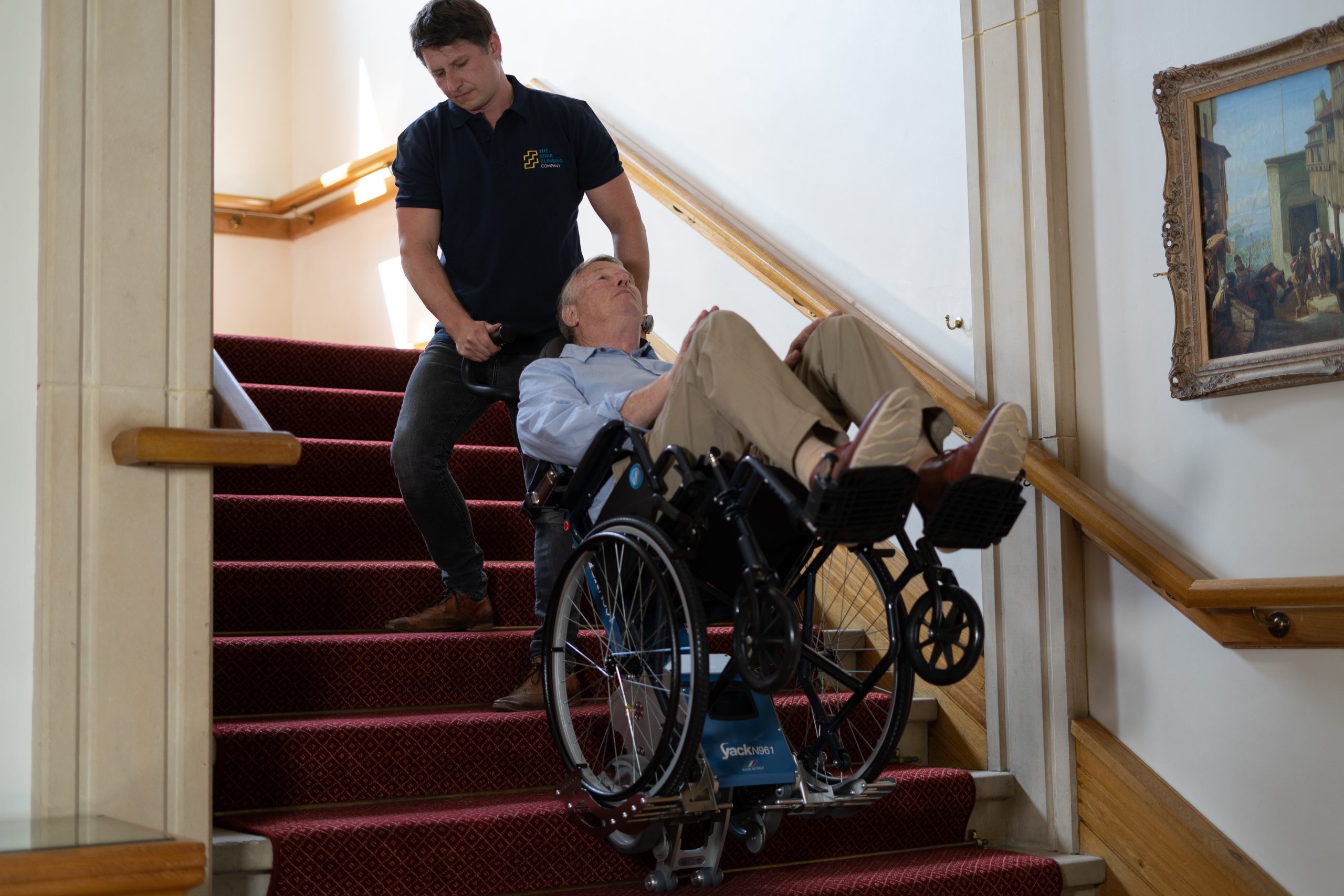
One of the most significant advantages of Powered Evacuation Chairs is their ability to transport individuals safely on stairways during emergencies. Traditional evacuation methods often depend on multiple operators and significant physical effort. Modern powered solutions reduce strain on operators while improving comfort and safety for passengers. This makes them particularly valuable in high-rise buildings, healthcare environments, educational institutions and commercial premises.
Powered Stairclimbers provide another important solution. These devices enable safer movement of individuals on staircases while maintaining stability and control. In many buildings across Manchester, staircases remain the primary evacuation route when lifts cannot be used. Powered Stairclimbers provide a reliable option for supporting mobility-impaired individuals when rapid evacuation becomes necessary.
The importance of RPEEPs has become a major topic within fire safety and building management discussions. A well-designed RPEEP identifies individual needs, assesses risks and establishes clear procedures. When supported by appropriate evacuation equipment, the effectiveness of emergency planning increases substantially. This combination helps ensure that planning moves beyond documentation and becomes a practical, operational capability.
Across Manchester, sectors including healthcare, local government, residential housing, universities and commercial property management are exploring ways to strengthen evacuation readiness. Investment in Powered Evacuation Chairs and Powered Stairclimbers supports compliance objectives while demonstrating commitment to inclusion and occupant welfare.
Training remains a critical component of successful implementation. Equipment alone cannot deliver effective outcomes without knowledgeable operators. Regular training, scenario exercises and equipment inspections help maintain readiness and confidence. Organisations that invest in both technology and training often achieve stronger emergency preparedness outcomes.
There is also increasing recognition that inclusive evacuation planning delivers benefits beyond compliance. Occupants, employees, visitors and residents gain reassurance from knowing suitable provisions are in place. This can strengthen organisational reputation and demonstrate a proactive approach to health and safety management.
For organisations seeking further information on accessibility, evacuation planning and mobility solutions, authoritative resources can be found through organisations such as the UK Government, the National Fire Chiefs Council, the British Safety Council, IOSH and disability inclusion guidance providers. These references help support best practice while encouraging continuous improvement.
As building design evolves and expectations around accessibility continue to grow, the role of RPEEPs, Powered Evacuation Chairs and Powered Stairclimbers is likely to become even more significant. Forward-thinking organisations in Manchester are already recognising that inclusive evacuation planning is not simply a regulatory consideration. It is an essential element of responsible building management and occupant protection.
By combining robust planning, professional training and advanced evacuation equipment, organisations can create safer environments for everyone. The future of emergency preparedness depends on solutions that recognise the diverse needs of building occupants, and RPEEPs supported by Powered Evacuation Chairs and Powered Stairclimbers provide an effective pathway towards that goal.
Additional Local Focus: Manchester continues to see investment in commercial developments, residential construction and public infrastructure. These projects create opportunities to integrate accessibility and evacuation planning from the earliest stages of design. As expectations rise, organisations that prioritise inclusive evacuation strategies position themselves as leaders in safety, compliance and social responsibility.
SEO Title: RPEEPs, Powered Evacuation Chairs and Powered Stairclimbers in Manchester: Improving Inclusive Emergency Evacuation
Meta Description: Discover how RPEEPs, Powered Evacuation Chairs and Powered Stairclimbers help organisations in Manchester improve accessibility, compliance and emergency preparedness.
In every major city, emergency planning is becoming increasingly focused on inclusion. Across Manchester, organisations are recognising that evacuation procedures must work for everyone, including people with mobility impairments, temporary injuries, older adults and visitors who may require additional assistance. This is where RPEEPs, Powered Evacuation Chairs and Powered Stairclimbers are transforming the way buildings prepare for emergency situations.
RPEEPs, or Residential Personal Emergency Evacuation Plans, provide a structured approach to ensuring residents who may need assistance can evacuate safely. When combined with Powered Evacuation Chairs and Powered Stairclimbers, organisations can create evacuation strategies that are practical, efficient and compliant with modern safety expectations.
The growing demand for inclusive evacuation solutions across Manchester reflects wider awareness of accessibility responsibilities. Building owners, facilities managers, housing providers and health and safety professionals are increasingly investing in technology and planning that helps protect occupants during emergencies. The integration of RPEEPs with Powered Evacuation Chairs and Powered Stairclimbers creates a comprehensive framework that supports both preparedness and operational confidence.
One of the most significant advantages of Powered Evacuation Chairs is their ability to transport individuals safely on stairways during emergencies. Traditional evacuation methods often depend on multiple operators and significant physical effort. Modern powered solutions reduce strain on operators while improving comfort and safety for passengers. This makes them particularly valuable in high-rise buildings, healthcare environments, educational institutions and commercial premises.
Powered Stairclimbers provide another important solution. These devices enable safer movement of individuals on staircases while maintaining stability and control. In many buildings across Manchester, staircases remain the primary evacuation route when lifts cannot be used. Powered Stairclimbers provide a reliable option for supporting mobility-impaired individuals when rapid evacuation becomes necessary.
The importance of RPEEPs has become a major topic within fire safety and building management discussions. A well-designed RPEEP identifies individual needs, assesses risks and establishes clear procedures. When supported by appropriate evacuation equipment, the effectiveness of emergency planning increases substantially. This combination helps ensure that planning moves beyond documentation and becomes a practical, operational capability.
Across Manchester, sectors including healthcare, local government, residential housing, universities and commercial property management are exploring ways to strengthen evacuation readiness. Investment in Powered Evacuation Chairs and Powered Stairclimbers supports compliance objectives while demonstrating commitment to inclusion and occupant welfare.
Training remains a critical component of successful implementation. Equipment alone cannot deliver effective outcomes without knowledgeable operators. Regular training, scenario exercises and equipment inspections help maintain readiness and confidence. Organisations that invest in both technology and training often achieve stronger emergency preparedness outcomes.
There is also increasing recognition that inclusive evacuation planning delivers benefits beyond compliance. Occupants, employees, visitors and residents gain reassurance from knowing suitable provisions are in place. This can strengthen organisational reputation and demonstrate a proactive approach to health and safety management.
For organisations seeking further information on accessibility, evacuation planning and mobility solutions, authoritative resources can be found through organisations such as the UK Government, the National Fire Chiefs Council, the British Safety Council, IOSH and disability inclusion guidance providers. These references help support best practice while encouraging continuous improvement.
As building design evolves and expectations around accessibility continue to grow, the role of RPEEPs, Powered Evacuation Chairs and Powered Stairclimbers is likely to become even more significant. Forward-thinking organisations in Manchester are already recognising that inclusive evacuation planning is not simply a regulatory consideration. It is an essential element of responsible building management and occupant protection.
By combining robust planning, professional training and advanced evacuation equipment, organisations can create safer environments for everyone. The future of emergency preparedness depends on solutions that recognise the diverse needs of building occupants, and RPEEPs supported by Powered Evacuation Chairs and Powered Stairclimbers provide an effective pathway towards that goal.
Additional Local Focus: Manchester continues to see investment in commercial developments, residential construction and public infrastructure. These projects create opportunities to integrate accessibility and evacuation planning from the earliest stages of design. As expectations rise, organisations that prioritise inclusive evacuation strategies position themselves as leaders in safety, compliance and social responsibility.
SEO Title: RPEEPs, Powered Evacuation Chairs and Powered Stairclimbers in Manchester: Improving Inclusive Emergency Evacuation
Meta Description: Discover how RPEEPs, Powered Evacuation Chairs and Powered Stairclimbers help organisations in Manchester improve accessibility, compliance and emergency preparedness.
In every major city, emergency planning is becoming increasingly focused on inclusion. Across Manchester, organisations are recognising that evacuation procedures must work for everyone, including people with mobility impairments, temporary injuries, older adults and visitors who may require additional assistance. This is where RPEEPs, Powered Evacuation Chairs and Powered Stairclimbers are transforming the way buildings prepare for emergency situations.
RPEEPs, or Residential Personal Emergency Evacuation Plans, provide a structured approach to ensuring residents who may need assistance can evacuate safely. When combined with Powered Evacuation Chairs and Powered Stairclimbers, organisations can create evacuation strategies that are practical, efficient and compliant with modern safety expectations.
The growing demand for inclusive evacuation solutions across Manchester reflects wider awareness of accessibility responsibilities. Building owners, facilities managers, housing providers and health and safety professionals are increasingly investing in technology and planning that helps protect occupants during emergencies. The integration of RPEEPs with Powered Evacuation Chairs and Powered Stairclimbers creates a comprehensive framework that supports both preparedness and operational confidence.
One of the most significant advantages of Powered Evacuation Chairs is their ability to transport individuals safely on stairways during emergencies. Traditional evacuation methods often depend on multiple operators and significant physical effort. Modern powered solutions reduce strain on operators while improving comfort and safety for passengers. This makes them particularly valuable in high-rise buildings, healthcare environments, educational institutions and commercial premises.
Powered Stairclimbers provide another important solution. These devices enable safer movement of individuals on staircases while maintaining stability and control. In many buildings across Manchester, staircases remain the primary evacuation route when lifts cannot be used. Powered Stairclimbers provide a reliable option for supporting mobility-impaired individuals when rapid evacuation becomes necessary.
The importance of RPEEPs has become a major topic within fire safety and building management discussions. A well-designed RPEEP identifies individual needs, assesses risks and establishes clear procedures. When supported by appropriate evacuation equipment, the effectiveness of emergency planning increases substantially. This combination helps ensure that planning moves beyond documentation and becomes a practical, operational capability.
Across Manchester, sectors including healthcare, local government, residential housing, universities and commercial property management are exploring ways to strengthen evacuation readiness. Investment in Powered Evacuation Chairs and Powered Stairclimbers supports compliance objectives while demonstrating commitment to inclusion and occupant welfare.
Training remains a critical component of successful implementation. Equipment alone cannot deliver effective outcomes without knowledgeable operators. Regular training, scenario exercises and equipment inspections help maintain readiness and confidence. Organisations that invest in both technology and training often achieve stronger emergency preparedness outcomes.
There is also increasing recognition that inclusive evacuation planning delivers benefits beyond compliance. Occupants, employees, visitors and residents gain reassurance from knowing suitable provisions are in place. This can strengthen organisational reputation and demonstrate a proactive approach to health and safety management.
For organisations seeking further information on accessibility, evacuation planning and mobility solutions, authoritative resources can be found through organisations such as the UK Government, the National Fire Chiefs Council, the British Safety Council, IOSH and disability inclusion guidance providers. These references help support best practice while encouraging continuous improvement.
As building design evolves and expectations around accessibility continue to grow, the role of RPEEPs, Powered Evacuation Chairs and Powered Stairclimbers is likely to become even more significant. Forward-thinking organisations in Manchester are already recognising that inclusive evacuation planning is not simply a regulatory consideration. It is an essential element of responsible building management and occupant protection.
By combining robust planning, professional training and advanced evacuation equipment, organisations can create safer environments for everyone. The future of emergency preparedness depends on solutions that recognise the diverse needs of building occupants, and RPEEPs supported by Powered Evacuation Chairs and Powered Stairclimbers provide an effective pathway towards that goal.
Additional Local Focus: Manchester continues to see investment in commercial developments, residential construction and public infrastructure. These projects create opportunities to integrate accessibility and evacuation planning from the earliest stages of design. As expectations rise, organisations that prioritise inclusive evacuation strategies position themselves as leaders in safety, compliance and social responsibility.
SEO Title: RPEEPs, Powered Evacuation Chairs and Powered Stairclimbers in Manchester: Improving Inclusive Emergency Evacuation
Meta Description: Discover how RPEEPs, Powered Evacuation Chairs and Powered Stairclimbers help organisations in Manchester improve accessibility, compliance and emergency preparedness.
In every major city, emergency planning is becoming increasingly focused on inclusion. Across Manchester, organisations are recognising that evacuation procedures must work for everyone, including people with mobility impairments, temporary injuries, older adults and visitors who may require additional assistance. This is where RPEEPs, Powered Evacuation Chairs and Powered Stairclimbers are transforming the way buildings prepare for emergency situations.
RPEEPs, or Residential Personal Emergency Evacuation Plans, provide a structured approach to ensuring residents who may need assistance can evacuate safely. When combined with Powered Evacuation Chairs and Powered Stairclimbers, organisations can create evacuation strategies that are practical, efficient and compliant with modern safety expectations.
The growing demand for inclusive evacuation solutions across Manchester reflects wider awareness of accessibility responsibilities. Building owners, facilities managers, housing providers and health and safety professionals are increasingly investing in technology and planning that helps protect occupants during emergencies. The integration of RPEEPs with Powered Evacuation Chairs and Powered Stairclimbers creates a comprehensive framework that supports both preparedness and operational confidence.
One of the most significant advantages of Powered Evacuation Chairs is their ability to transport individuals safely on stairways during emergencies. Traditional evacuation methods often depend on multiple operators and significant physical effort. Modern powered solutions reduce strain on operators while improving comfort and safety for passengers. This makes them particularly valuable in high-rise buildings, healthcare environments, educational institutions and commercial premises.
Powered Stairclimbers provide another important solution. These devices enable safer movement of individuals on staircases while maintaining stability and control. In many buildings across Manchester, staircases remain the primary evacuation route when lifts cannot be used. Powered Stairclimbers provide a reliable option for supporting mobility-impaired individuals when rapid evacuation becomes necessary.
The importance of RPEEPs has become a major topic within fire safety and building management discussions. A well-designed RPEEP identifies individual needs, assesses risks and establishes clear procedures. When supported by appropriate evacuation equipment, the effectiveness of emergency planning increases substantially. This combination helps ensure that planning moves beyond documentation and becomes a practical, operational capability.
Across Manchester, sectors including healthcare, local government, residential housing, universities and commercial property management are exploring ways to strengthen evacuation readiness. Investment in Powered Evacuation Chairs and Powered Stairclimbers supports compliance objectives while demonstrating commitment to inclusion and occupant welfare.
Training remains a critical component of successful implementation. Equipment alone cannot deliver effective outcomes without knowledgeable operators. Regular training, scenario exercises and equipment inspections help maintain readiness and confidence. Organisations that invest in both technology and training often achieve stronger emergency preparedness outcomes.
There is also increasing recognition that inclusive evacuation planning delivers benefits beyond compliance. Occupants, employees, visitors and residents gain reassurance from knowing suitable provisions are in place. This can strengthen organisational reputation and demonstrate a proactive approach to health and safety management.
For organisations seeking further information on accessibility, evacuation planning and mobility solutions, authoritative resources can be found through organisations such as the UK Government, the National Fire Chiefs Council, the British Safety Council, IOSH and disability inclusion guidance providers. These references help support best practice while encouraging continuous improvement.
As building design evolves and expectations around accessibility continue to grow, the role of RPEEPs, Powered Evacuation Chairs and Powered Stairclimbers is likely to become even more significant. Forward-thinking organisations in Manchester are already recognising that inclusive evacuation planning is not simply a regulatory consideration. It is an essential element of responsible building management and occupant protection.
By combining robust planning, professional training and advanced evacuation equipment, organisations can create safer environments for everyone. The future of emergency preparedness depends on solutions that recognise the diverse needs of building occupants, and RPEEPs supported by Powered Evacuation Chairs and Powered Stairclimbers provide an effective pathway towards that goal.
Additional Local Focus: Manchester continues to see investment in commercial developments, residential construction and public infrastructure. These projects create opportunities to integrate accessibility and evacuation planning from the earliest stages of design. As expectations rise, organisations that prioritise inclusive evacuation strategies position themselves as leaders in safety, compliance and social responsibility.
SEO Title: RPEEPs, Powered Evacuation Chairs and Powered Stairclimbers in Manchester: Improving Inclusive Emergency Evacuation
Meta Description: Discover how RPEEPs, Powered Evacuation Chairs and Powered Stairclimbers help organisations in Manchester improve accessibility, compliance and emergency preparedness.
In every major city, emergency planning is becoming increasingly focused on inclusion. Across Manchester, organisations are recognising that evacuation procedures must work for everyone, including people with mobility impairments, temporary injuries, older adults and visitors who may require additional assistance. This is where RPEEPs, Powered Evacuation Chairs and Powered Stairclimbers are transforming the way buildings prepare for emergency situations.
RPEEPs, or Residential Personal Emergency Evacuation Plans, provide a structured approach to ensuring residents who may need assistance can evacuate safely. When combined with Powered Evacuation Chairs and Powered Stairclimbers, organisations can create evacuation strategies that are practical, efficient and compliant with modern safety expectations.
The growing demand for inclusive evacuation solutions across Manchester reflects wider awareness of accessibility responsibilities. Building owners, facilities managers, housing providers and health and safety professionals are increasingly investing in technology and planning that helps protect occupants during emergencies. The integration of RPEEPs with Powered Evacuation Chairs and Powered Stairclimbers creates a comprehensive framework that supports both preparedness and operational confidence.
One of the most significant advantages of Powered Evacuation Chairs is their ability to transport individuals safely on stairways during emergencies. Traditional evacuation methods often depend on multiple operators and significant physical effort. Modern powered solutions reduce strain on operators while improving comfort and safety for passengers. This makes them particularly valuable in high-rise buildings, healthcare environments, educational institutions and commercial premises.
Powered Stairclimbers provide another important solution. These devices enable safer movement of individuals on staircases while maintaining stability and control. In many buildings across Manchester, staircases remain the primary evacuation route when lifts cannot be used. Powered Stairclimbers provide a reliable option for supporting mobility-impaired individuals when rapid evacuation becomes necessary.
The importance of RPEEPs has become a major topic within fire safety and building management discussions. A well-designed RPEEP identifies individual needs, assesses risks and establishes clear procedures. When supported by appropriate evacuation equipment, the effectiveness of emergency planning increases substantially. This combination helps ensure that planning moves beyond documentation and becomes a practical, operational capability.
Across Manchester, sectors including healthcare, local government, residential housing, universities and commercial property management are exploring ways to strengthen evacuation readiness. Investment in Powered Evacuation Chairs and Powered Stairclimbers supports compliance objectives while demonstrating commitment to inclusion and occupant welfare.
Training remains a critical component of successful implementation. Equipment alone cannot deliver effective outcomes without knowledgeable operators. Regular training, scenario exercises and equipment inspections help maintain readiness and confidence. Organisations that invest in both technology and training often achieve stronger emergency preparedness outcomes.
There is also increasing recognition that inclusive evacuation planning delivers benefits beyond compliance. Occupants, employees, visitors and residents gain reassurance from knowing suitable provisions are in place. This can strengthen organisational reputation and demonstrate a proactive approach to health and safety management.
For organisations seeking further information on accessibility, evacuation planning and mobility solutions, authoritative resources can be found through organisations such as the UK Government, the National Fire Chiefs Council, the British Safety Council, IOSH and disability inclusion guidance providers. These references help support best practice while encouraging continuous improvement.
As building design evolves and expectations around accessibility continue to grow, the role of RPEEPs, Powered Evacuation Chairs and Powered Stairclimbers is likely to become even more significant. Forward-thinking organisations in Manchester are already recognising that inclusive evacuation planning is not simply a regulatory consideration. It is an essential element of responsible building management and occupant protection.
By combining robust planning, professional training and advanced evacuation equipment, organisations can create safer environments for everyone. The future of emergency preparedness depends on solutions that recognise the diverse needs of building occupants, and RPEEPs supported by Powered Evacuation Chairs and Powered Stairclimbers provide an effective pathway towards that goal.
Additional Local Focus: Manchester continues to see investment in commercial developments, residential construction and public infrastructure. These projects create opportunities to integrate accessibility and evacuation planning from the earliest stages of design. As expectations rise, organisations that prioritise inclusive evacuation strategies position themselves as leaders in safety, compliance and social responsibility.
SEO Title: RPEEPs, Powered Evacuation Chairs and Powered Stairclimbers in Manchester: Improving Inclusive Emergency Evacuation
Meta Description: Discover how RPEEPs, Powered Evacuation Chairs and Powered Stairclimbers help organisations in Manchester improve accessibility, compliance and emergency preparedness.
In every major city, emergency planning is becoming increasingly focused on inclusion. Across Manchester, organisations are recognising that evacuation procedures must work for everyone, including people with mobility impairments, temporary injuries, older adults and visitors who may require additional assistance. This is where RPEEPs, Powered Evacuation Chairs and Powered Stairclimbers are transforming the way buildings prepare for emergency situations.
RPEEPs, or Residential Personal Emergency Evacuation Plans, provide a structured approach to ensuring residents who may need assistance can evacuate safely. When combined with Powered Evacuation Chairs and Powered Stairclimbers, organisations can create evacuation strategies that are practical, efficient and compliant with modern safety expectations.
The growing demand for inclusive evacuation solutions across Manchester reflects wider awareness of accessibility responsibilities. Building owners, facilities managers, housing providers and health and safety professionals are increasingly investing in technology and planning that helps protect occupants during emergencies. The integration of RPEEPs with Powered Evacuation Chairs and Powered Stairclimbers creates a comprehensive framework that supports both preparedness and operational confidence.
One of the most significant advantages of Powered Evacuation Chairs is their ability to transport individuals safely on stairways during emergencies. Traditional evacuation methods often depend on multiple operators and significant physical effort. Modern powered solutions reduce strain on operators while improving comfort and safety for passengers. This makes them particularly valuable in high-rise buildings, healthcare environments, educational institutions and commercial premises.
Powered Stairclimbers provide another important solution. These devices enable safer movement of individuals on staircases while maintaining stability and control. In many buildings across Manchester, staircases remain the primary evacuation route when lifts cannot be used. Powered Stairclimbers provide a reliable option for supporting mobility-impaired individuals when rapid evacuation becomes necessary.
The importance of RPEEPs has become a major topic within fire safety and building management discussions. A well-designed RPEEP identifies individual needs, assesses risks and establishes clear procedures. When supported by appropriate evacuation equipment, the effectiveness of emergency planning increases substantially. This combination helps ensure that planning moves beyond documentation and becomes a practical, operational capability.
Across Manchester, sectors including healthcare, local government, residential housing, universities and commercial property management are exploring ways to strengthen evacuation readiness. Investment in Powered Evacuation Chairs and Powered Stairclimbers supports compliance objectives while demonstrating commitment to inclusion and occupant welfare.
Training remains a critical component of successful implementation. Equipment alone cannot deliver effective outcomes without knowledgeable operators. Regular training, scenario exercises and equipment inspections help maintain readiness and confidence. Organisations that invest in both technology and training often achieve stronger emergency preparedness outcomes.
There is also increasing recognition that inclusive evacuation planning delivers benefits beyond compliance. Occupants, employees, visitors and residents gain reassurance from knowing suitable provisions are in place. This can strengthen organisational reputation and demonstrate a proactive approach to health and safety management.
For organisations seeking further information on accessibility, evacuation planning and mobility solutions, authoritative resources can be found through organisations such as the UK Government, the National Fire Chiefs Council, the British Safety Council, IOSH and disability inclusion guidance providers. These references help support best practice while encouraging continuous improvement.
As building design evolves and expectations around accessibility continue to grow, the role of RPEEPs, Powered Evacuation Chairs and Powered Stairclimbers is likely to become even more significant. Forward-thinking organisations in Manchester are already recognising that inclusive evacuation planning is not simply a regulatory consideration. It is an essential element of responsible building management and occupant protection.
By combining robust planning, professional training and advanced evacuation equipment, organisations can create safer environments for everyone. The future of emergency preparedness depends on solutions that recognise the diverse needs of building occupants, and RPEEPs supported by Powered Evacuation Chairs and Powered Stairclimbers provide an effective pathway towards that goal.
Additional Local Focus: Manchester continues to see investment in commercial developments, residential construction and public infrastructure. These projects create opportunities to integrate accessibility and evacuation planning from the earliest stages of design. As expectations rise, organisations that prioritise inclusive evacuation strategies position themselves as leaders in safety, compliance and social responsibility.
SEO Title: RPEEPs, Powered Evacuation Chairs and Powered Stairclimbers in Manchester: Improving Inclusive Emergency Evacuation
Meta Description: Discover how RPEEPs, Powered Evacuation Chairs and Powered Stairclimbers help organisations in Manchester improve accessibility, compliance and emergency preparedness.
In every major city, emergency planning is becoming increasingly focused on inclusion. Across Manchester, organisations are recognising that evacuation procedures must work for everyone, including people with mobility impairments, temporary injuries, older adults and visitors who may require additional assistance. This is where RPEEPs, Powered Evacuation Chairs and Powered Stairclimbers are transforming the way buildings prepare for emergency situations.
RPEEPs, or Residential Personal Emergency Evacuation Plans, provide a structured approach to ensuring residents who may need assistance can evacuate safely. When combined with Powered Evacuation Chairs and Powered Stairclimbers, organisations can create evacuation strategies that are practical, efficient and compliant with modern safety expectations.
The growing demand for inclusive evacuation solutions across Manchester reflects wider awareness of accessibility responsibilities. Building owners, facilities managers, housing providers and health and safety professionals are increasingly investing in technology and planning that helps protect occupants during emergencies. The integration of RPEEPs with Powered Evacuation Chairs and Powered Stairclimbers creates a comprehensive framework that supports both preparedness and operational confidence.
One of the most significant advantages of Powered Evacuation Chairs is their ability to transport individuals safely on stairways during emergencies. Traditional evacuation methods often depend on multiple operators and significant physical effort. Modern powered solutions reduce strain on operators while improving comfort and safety for passengers. This makes them particularly valuable in high-rise buildings, healthcare environments, educational institutions and commercial premises.
Powered Stairclimbers provide another important solution. These devices enable safer movement of individuals on staircases while maintaining stability and control. In many buildings across Manchester, staircases remain the primary evacuation route when lifts cannot be used. Powered Stairclimbers provide a reliable option for supporting mobility-impaired individuals when rapid evacuation becomes necessary.
The importance of RPEEPs has become a major topic within fire safety and building management discussions. A well-designed RPEEP identifies individual needs, assesses risks and establishes clear procedures. When supported by appropriate evacuation equipment, the effectiveness of emergency planning increases substantially. This combination helps ensure that planning moves beyond documentation and becomes a practical, operational capability.
Across Manchester, sectors including healthcare, local government, residential housing, universities and commercial property management are exploring ways to strengthen evacuation readiness. Investment in Powered Evacuation Chairs and Powered Stairclimbers supports compliance objectives while demonstrating commitment to inclusion and occupant welfare.
Training remains a critical component of successful implementation. Equipment alone cannot deliver effective outcomes without knowledgeable operators. Regular training, scenario exercises and equipment inspections help maintain readiness and confidence. Organisations that invest in both technology and training often achieve stronger emergency preparedness outcomes.
There is also increasing recognition that inclusive evacuation planning delivers benefits beyond compliance. Occupants, employees, visitors and residents gain reassurance from knowing suitable provisions are in place. This can strengthen organisational reputation and demonstrate a proactive approach to health and safety management.
For organisations seeking further information on accessibility, evacuation planning and mobility solutions, authoritative resources can be found through organisations such as the UK Government, the National Fire Chiefs Council, the British Safety Council, IOSH and disability inclusion guidance providers. These references help support best practice while encouraging continuous improvement.
As building design evolves and expectations around accessibility continue to grow, the role of RPEEPs, Powered Evacuation Chairs and Powered Stairclimbers is likely to become even more significant. Forward-thinking organisations in Manchester are already recognising that inclusive evacuation planning is not simply a regulatory consideration. It is an essential element of responsible building management and occupant protection.
By combining robust planning, professional training and advanced evacuation equipment, organisations can create safer environments for everyone. The future of emergency preparedness depends on solutions that recognise the diverse needs of building occupants, and RPEEPs supported by Powered Evacuation Chairs and Powered Stairclimbers provide an effective pathway towards that goal.
Additional Local Focus: Manchester continues to see investment in commercial developments, residential construction and public infrastructure. These projects create opportunities to integrate accessibility and evacuation planning from the earliest stages of design. As expectations rise, organisations that prioritise inclusive evacuation strategies position themselves as leaders in safety, compliance and social responsibility.
SEO Title: RPEEPs, Powered Evacuation Chairs and Powered Stairclimbers in Manchester: Improving Inclusive Emergency Evacuation
Meta Description: Discover how RPEEPs, Powered Evacuation Chairs and Powered Stairclimbers help organisations in Manchester improve accessibility, compliance and emergency preparedness.
In every major city, emergency planning is becoming increasingly focused on inclusion. Across Manchester, organisations are recognising that evacuation procedures must work for everyone, including people with mobility impairments, temporary injuries, older adults and visitors who may require additional assistance. This is where RPEEPs, Powered Evacuation Chairs and Powered Stairclimbers are transforming the way buildings prepare for emergency situations.
RPEEPs, or Residential Personal Emergency Evacuation Plans, provide a structured approach to ensuring residents who may need assistance can evacuate safely. When combined with Powered Evacuation Chairs and Powered Stairclimbers, organisations can create evacuation strategies that are practical, efficient and compliant with modern safety expectations.
The growing demand for inclusive evacuation solutions across Manchester reflects wider awareness of accessibility responsibilities. Building owners, facilities managers, housing providers and health and safety professionals are increasingly investing in technology and planning that helps protect occupants during emergencies. The integration of RPEEPs with Powered Evacuation Chairs and Powered Stairclimbers creates a comprehensive framework that supports both preparedness and operational confidence.
One of the most significant advantages of Powered Evacuation Chairs is their ability to transport individuals safely on stairways during emergencies. Traditional evacuation methods often depend on multiple operators and significant physical effort. Modern powered solutions reduce strain on operators while improving comfort and safety for passengers. This makes them particularly valuable in high-rise buildings, healthcare environments, educational institutions and commercial premises.
Powered Stairclimbers provide another important solution. These devices enable safer movement of individuals on staircases while maintaining stability and control. In many buildings across Manchester, staircases remain the primary evacuation route when lifts cannot be used. Powered Stairclimbers provide a reliable option for supporting mobility-impaired individuals when rapid evacuation becomes necessary.
The importance of RPEEPs has become a major topic within fire safety and building management discussions. A well-designed RPEEP identifies individual needs, assesses risks and establishes clear procedures. When supported by appropriate evacuation equipment, the effectiveness of emergency planning increases substantially. This combination helps ensure that planning moves beyond documentation and becomes a practical, operational capability.
Across Manchester, sectors including healthcare, local government, residential housing, universities and commercial property management are exploring ways to strengthen evacuation readiness. Investment in Powered Evacuation Chairs and Powered Stairclimbers supports compliance objectives while demonstrating commitment to inclusion and occupant welfare.
Training remains a critical component of successful implementation. Equipment alone cannot deliver effective outcomes without knowledgeable operators. Regular training, scenario exercises and equipment inspections help maintain readiness and confidence. Organisations that invest in both technology and training often achieve stronger emergency preparedness outcomes.
There is also increasing recognition that inclusive evacuation planning delivers benefits beyond compliance. Occupants, employees, visitors and residents gain reassurance from knowing suitable provisions are in place. This can strengthen organisational reputation and demonstrate a proactive approach to health and safety management.
For organisations seeking further information on accessibility, evacuation planning and mobility solutions, authoritative resources can be found through organisations such as the UK Government, the National Fire Chiefs Council, the British Safety Council, IOSH and disability inclusion guidance providers. These references help support best practice while encouraging continuous improvement.
As building design evolves and expectations around accessibility continue to grow, the role of RPEEPs, Powered Evacuation Chairs and Powered Stairclimbers is likely to become even more significant. Forward-thinking organisations in Manchester are already recognising that inclusive evacuation planning is not simply a regulatory consideration. It is an essential element of responsible building management and occupant protection.
By combining robust planning, professional training and advanced evacuation equipment, organisations can create safer environments for everyone. The future of emergency preparedness depends on solutions that recognise the diverse needs of building occupants, and RPEEPs supported by Powered Evacuation Chairs and Powered Stairclimbers provide an effective pathway towards that goal.
Additional Local Focus: Manchester continues to see investment in commercial developments, residential construction and public infrastructure. These projects create opportunities to integrate accessibility and evacuation planning from the earliest stages of design. As expectations rise, organisations that prioritise inclusive evacuation strategies position themselves as leaders in safety, compliance and social responsibility.
Estimated reading time: 26 minutes