
Why Heritage Buildings in London Need Powered Stairclimbers in Their PEEPs, GEEPs and BEEPs
London is home to some of the world’s most iconic heritage buildings. From Grade I and Grade II listed properties to historic schools, museums, churches, civic buildings and cultural landmarks, these structures form an important part of the capital’s identity.
While heritage buildings offer architectural significance and cultural value, they often present complex challenges when it comes to emergency evacuation. Narrow staircases, restricted access routes, listed building constraints and ageing infrastructure can make the safe evacuation of occupants particularly difficult.
This is why many responsible persons, facilities managers and heritage property owners are turning to powered stairclimbers and powered evacuation chairs as part of their Personal Emergency Evacuation Plans (PEEPs), Generic Emergency Evacuation Plans (GEEPs) and Building Emergency Evacuation Plans (BEEPs).
The Evacuation Company works with heritage property managers across London to develop practical evacuation strategies that protect people while respecting the unique characteristics of historic buildings. Combined with specialist powered stairclimbers from The Stair Climbing Company, these solutions help organisations improve safety, support compliance and enhance emergency preparedness.
The Unique Evacuation Challenges of Heritage Buildings
Unlike modern developments, many heritage buildings were constructed long before accessibility standards and modern fire safety regulations existed.
Common challenges include:
Narrow staircases
Uneven floor surfaces
Restricted escape routes
Limited lift provision
Protected architectural features
Conservation restrictions
Multi-level layouts
High visitor numbers
Many listed buildings cannot undergo significant structural alterations without affecting their historic character. As a result, evacuation planning often requires specialist equipment and carefully considered procedures.
When lifts are unavailable during an emergency, staircases frequently become the only evacuation route for occupants who cannot use stairs independently.
Why PEEPs Are Essential in Historic Buildings
A Personal Emergency Evacuation Plan, or PEEP, provides an individual evacuation strategy for a person who may require assistance during an emergency.
In heritage properties, PEEPs are particularly important for:
Wheelchair users
Employees with mobility impairments
Volunteers
Residents
Students
Visitors with disabilities
Contractors working on-site
The Evacuation Company helps heritage organisations develop PEEPs that reflect both the needs of the individual and the physical constraints of the building.
Powered stairclimbers provide a practical evacuation solution that can be incorporated into these plans without requiring extensive modifications to protected structures.
Supporting Visitors Through Effective GEEPs
Many heritage properties welcome thousands of visitors every year.
Museums, galleries, historic houses, cathedrals and public heritage attractions regularly host people whose mobility requirements may not be known in advance.
A Generic Emergency Evacuation Plan (GEEP) ensures that visitors who require assistance can be evacuated safely even when no personal evacuation plan exists.
Powered stair climbers offer the flexibility needed to support a wide range of visitors while maintaining efficient emergency procedures. This makes them an invaluable component of visitor management and emergency preparedness strategies within heritage environments.
Strengthening BEEPs in Listed and Historic Properties
A Building Emergency Evacuation Plan (BEEP) establishes the framework for managing emergency evacuations throughout an entire property.
For heritage buildings, BEEPs must account for numerous operational challenges, including:
Protected staircases
Historic layouts
Visitor movement patterns
Temporary exhibitions
Public events
Conservation requirements
Restricted escape routes
Emergency service access
Powered evacuation chairs and powered stairclimbers help strengthen BEEPs by providing reliable evacuation options that work within the physical limitations of historic buildings.
The Evacuation Company works with property owners, heritage trusts and facilities teams to create building-wide evacuation strategies that balance life safety with conservation considerations.
How Powered Stairclimbers Help Protect Occupants
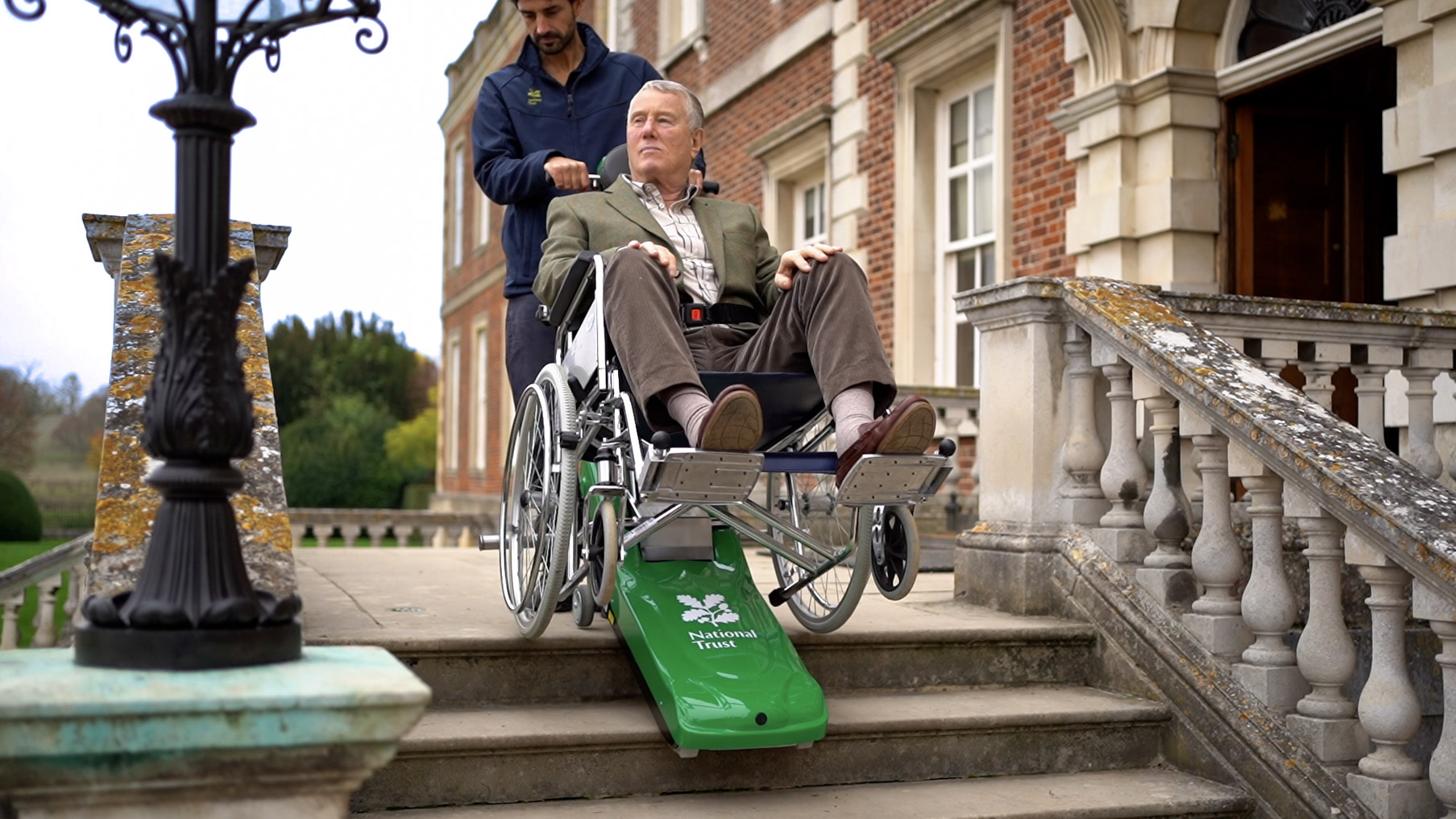
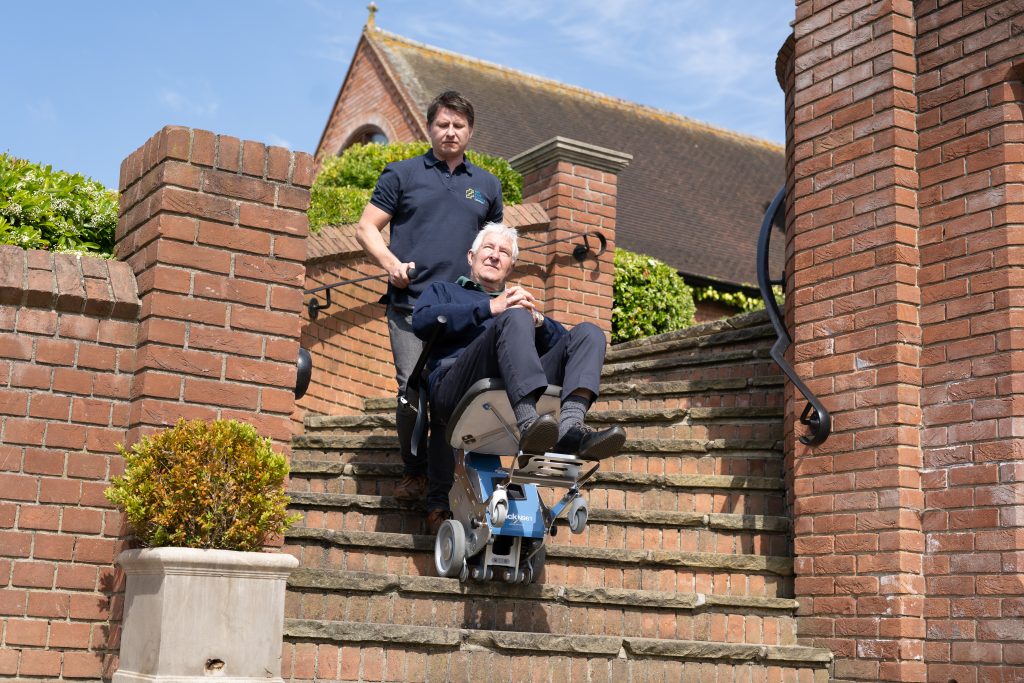
Powered stairclimbers are specifically designed to move individuals safely up or down staircases using advanced motorised technology.
Unlike traditional manual evacuation techniques, powered stair climbers provide controlled movement while reducing physical strain on operators.
For heritage buildings, this offers several advantages.
The equipment can often be deployed without permanent building alterations.
It allows individuals with mobility impairments to be evacuated safely via existing staircases.
It reduces risks associated with manual handling.
It improves confidence among staff, volunteers and visitors.
Most importantly, it helps ensure that historic buildings remain accessible and inclusive during emergency situations.
Reducing Manual Handling Risks in Challenging Environments
Historic buildings frequently contain narrow stairways, steep gradients and constrained spaces that make manual evacuation difficult.
For staff and volunteers responsible for assisting occupants during emergencies, these environments can increase manual handling risks.
Powered stairclimbers significantly reduce physical demands by using motorised assistance throughout the evacuation process.
This helps protect both the operator and the individual being evacuated while supporting broader health and safety objectives.
For organisations managing heritage assets, reducing operational risk is a key consideration when evaluating emergency evacuation solutions.
Supporting Compliance Without Compromising Heritage
Owners and managers of listed buildings face the challenge of balancing modern safety requirements with conservation responsibilities.
The Regulatory Reform (Fire Safety) Order requires responsible persons to implement suitable evacuation arrangements.
The Equality Act 2010 requires organisations to consider the needs of disabled occupants and visitors.
Guidance from Historic England, the London Fire Brigade, the National Fire Chiefs Council and the Health and Safety Executive emphasises the importance of risk-based approaches to life safety within historic environments.
The Evacuation Company helps heritage organisations navigate these requirements through specialist evacuation planning, fire safety assessments, training programmes and equipment recommendations.
Choosing the Right Powered Stairclimber for a Heritage Property
Every historic building presents unique challenges.
A Georgian townhouse has different evacuation requirements to a Victorian museum. A medieval church presents different considerations to a listed university building.
When selecting powered stairclimbers and powered evacuation chairs, factors such as staircase width, building layout, visitor numbers and operational requirements must all be considered.
The Evacuation Company provides expert guidance on emergency evacuation planning, while The Stair Climbing Company supplies specialist powered stairclimbers and powered stair climbers designed to perform effectively in demanding environments.
For expert advice on PEEPs, GEEPs, BEEPs, evacuation planning and powered evacuation chairs, visit https://www.evacuationcompany.co.uk
For specialist powered stairclimbers, powered stair climbers and accessibility solutions, visit https://www.stairclimbingcompany.com
Future-Proofing Emergency Evacuation in London’s Heritage Buildings
As visitor expectations, accessibility standards and fire safety requirements continue to evolve, heritage organisations must ensure their emergency procedures remain effective and inclusive.
Powered stairclimbers offer a practical solution that allows heritage properties to improve evacuation capability without compromising their historic significance.
By integrating powered stair climbers and powered evacuation chairs into PEEPs, GEEPs and BEEPs, building owners can improve safety, support compliance and provide greater reassurance to visitors, staff, volunteers and stakeholders.
With support from The Evacuation Company and specialist equipment from The Stair Climbing Company, London’s heritage buildings can continue to preserve the past while protecting the people who experience them today.
Key Takeaways
- London’s heritage buildings face unique evacuation challenges due to narrow staircases and conservation restrictions.
- Powered stairclimbers are crucial for implementing Personal Emergency Evacuation Plans (PEEPs) and enhancing safety during emergencies.
- Generic Emergency Evacuation Plans (GEEPs) provide strategies for assisting visitors with mobility needs in heritage settings.
- Building Emergency Evacuation Plans (BEEPs) leverage powered stairclimbers to navigate operational challenges and ensure safe evacuations.
- The Evacuation Company collaborates with heritage organizations to integrate powered stairclimber solutions while respecting historic integrity.
Estimated reading time: 6 minutes