
Fire Evacuation Readiness: A Critical Priority for Less Able People
Key Takeaways
- Fire evacuation planning must prioritize less able individuals to ensure their safety during emergencies.
- The Evacuation Company offers tailored solutions, including evacuation chairs and specialized training sessions for staff.
- Proactive measures such as Personal Emergency Evacuation Plans (PEEPs) greatly enhance emergency response for those with disabilities.
- Training builds confidence among staff, enabling them to assist individuals with mobility challenges effectively.
- Inclusive safety practices must become standard, ensuring everyone can evacuate safely and with dignity during a fire.
Estimated reading time: 5 minutes
The Evacuation Company – Leaders in Inclusive Emergency Planning
In the event of a fire, seconds matter. A well-executed evacuation plan can be the difference between life and death. But for many less able individuals—those with mobility impairments, disabilities, or temporary injuries—standard evacuation protocols often fall short. These individuals face increased risks during emergencies, not because of their disability, but because environments and plans are frequently not designed with inclusivity in mind.
In the UK, the Equality Act 2010 mandates that reasonable adjustments must be made to ensure that disabled people are not at a disadvantage. Yet, many buildings, workplaces, and public venues remain underprepared when it comes to accessible fire evacuation solutions. The Evacuation Company, a UK-based expert in accessible emergency planning and equipment, is leading the charge in changing this status quo.
The Stark Reality of Inaccessible Evacuations
Consider a simple scenario: a multi-storey office block experiences a fire alarm. Lifts are out of action—standard procedure during a fire. Employees and visitors evacuate via staircases. But what happens to someone who uses a wheelchair? Or an elderly person with limited mobility?
Too often, the answer is deeply troubling: they wait. Whether it’s in a designated refuge point or alone in a corridor, their evacuation depends on someone remembering to come back for them. These delays are not only dangerous but also deeply distressing. And in some tragic instances, they’ve proven fatal.
This is not merely a logistical issue—it’s an issue of human rights and dignity. No one should feel expendable during an emergency.
Proactive Planning Saves Lives
Being “fire evacuation ready” means more than having a fire alarm and a muster point. For organisations, schools, care homes, and public buildings, it requires forward-thinking strategies that cater to everyone—not just the able-bodied majority.
A comprehensive fire evacuation plan should include:
- Personal Emergency Evacuation Plans (PEEPs) for individuals with known mobility or sensory challenges.
- Regular training for staff in the use of specialist evacuation equipment.
- A risk assessment that includes accessibility gaps in current evacuation protocols.
- Clear communication systems (both audio and visual) for those with hearing or visual impairments.
But while legislation and theory provide the framework, expert guidance is essential to making this a practical reality.
The Evacuation Company: Setting the Standard in Inclusive Safety
Enter The Evacuation Company, a trusted UK leader in accessible fire evacuation planning and consultancy. Their approach goes beyond simply supplying equipment—they offer end-to-end solutions tailored to each client’s needs.
Their services include:
- On-site consultations and audits: Assessing the current state of fire preparedness and identifying areas of risk for less able individuals.
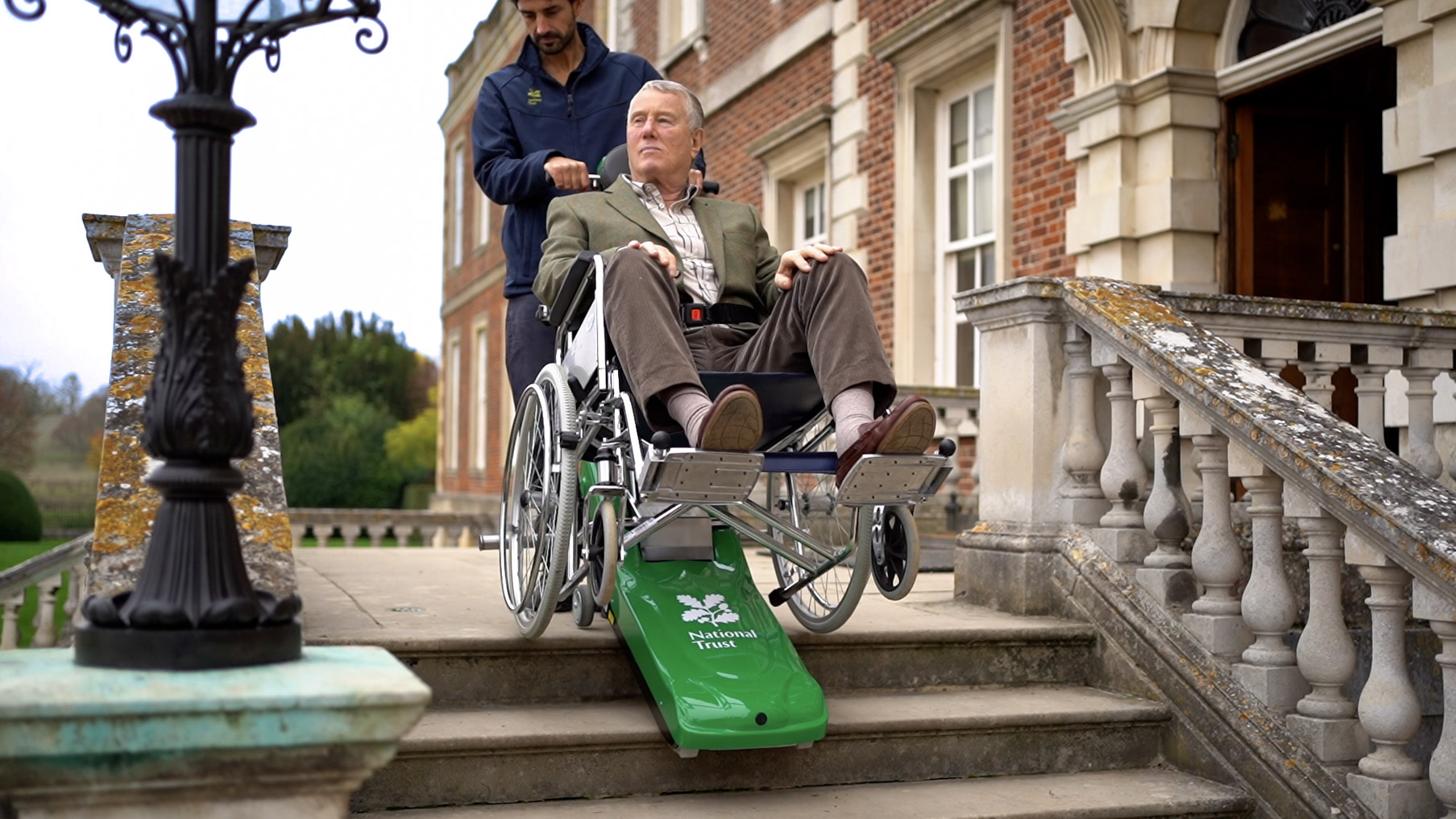
- Provision of evacuation chairs and stair climbers: These life-saving tools allow trained personnel to safely transport individuals down stairs during an emergency.
- Training and drills: Ensuring that staff are not only equipped with the tools but also the confidence to use them under pressure.
- Policy support: Helping organisations align with fire safety legislation and disability rights regulations.
By working with The Evacuation Company, businesses and institutions don’t just become compliant—they become inclusive.
The Role of Equipment in Accessible Evacuation
One of the most effective tools in fire safety for less able individuals is the evacuation chair. These chairs are specially designed to allow a single operator to guide someone safely down a staircase during an emergency. Modern versions are lightweight, stable, and can be quickly deployed when needed.
The Evacuation Company supplies a range of high-quality evacuation chairs tailored to different environments—from schools and offices to hospitals and heritage buildings. They also offer powered stair climbers, which add further independence and reduce the physical effort required by staff, particularly useful in settings with older or heavier individuals.
Without such equipment, even the best-written evacuation plan is compromised. Tools and training must go hand in hand.
Building Confidence Through Training
One of the biggest barriers to effective evacuation is hesitation. Staff may be unsure how to assist someone in a wheelchair or may fear causing injury. With proper training—like that offered by The Evacuation Company—these fears are alleviated. Staff learn practical techniques, gain hands-on experience with evacuation aids, and develop the calm confidence needed during real-life scenarios.
This also reassures individuals with disabilities. Knowing that trained staff and equipment are available makes them feel safer and more valued—just as they should.
Looking Ahead: Making Inclusive Safety the Norm
Fire doesn’t discriminate. Our safety systems shouldn’t either.
As awareness grows, so too must action. It’s not enough to assume that “someone will help” or that emergencies are rare. Inclusive evacuation planning must become standard practice, not an afterthought. Every building owner, manager, or employer has a responsibility to ensure all occupants can evacuate safely, quickly, and with dignity.
The Evacuation Company provides the tools, training, and expertise to make this happen.
Final Thoughts
Fire safety isn’t just about compliance—it’s about compassion, foresight, and equality. By partnering with experts like The Evacuation Company, organisations send a clear message: that every life matters, and no one will be left behind.
Whether you’re managing a school, a care home, a public building, or an office, now is the time to act. Don’t wait for a fire to reveal the cracks in your plan. Be proactive. Be prepared. Be inclusive.
For expert support in accessible evacuation planning, visit The Evacuation Company and take the first step toward a safer, more inclusive future.