
Key Takeaways
- Evacuation chair training in London is essential for safe fire evacuations, especially for those with reduced mobility.
- Trained staff can effectively use evacuation chairs, which reduces risks and improves coordination during emergencies.
- Fire safety regulations require employers to ensure safe evacuation, making such training a legal responsibility.
- The training covers key aspects like procedures, safe transfer techniques, and integration with fire drills.
- Benefits include faster evacuations, reduced injury risk, and greater confidence for all occupants during emergencies.
Estimated reading time: 4 minutes
Fire Safety and Evacuation Chair Training in London
Evacuation chair training in London is a critical part of modern fire safety planning. When a fire alarm sounds, lifts are automatically taken out of service, leaving staircases as the only escape route. For wheelchair users and people with reduced mobility, this creates an immediate fire safety risk unless trained staff and appropriate equipment are in place.
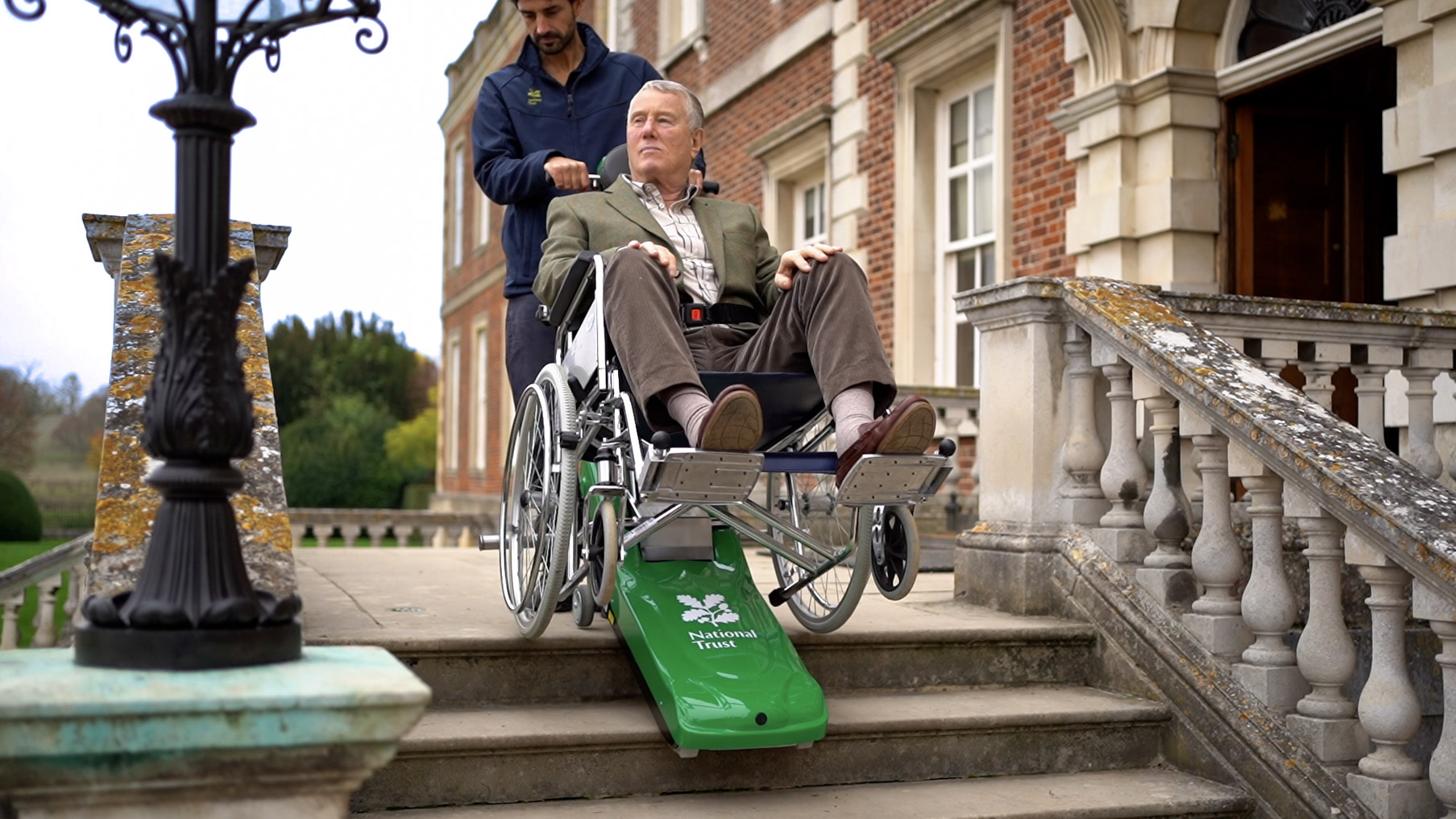
Evacuation chairs provide a controlled and safe method of assisted evacuation down stairs. However, without proper evacuation chair training, the equipment alone does not reduce risk. Fire safety depends on staff knowing exactly what to do under pressure.
Evacuation chairs and fire safety risk
Fire safety guidance in the UK assumes that all occupants can reach a place of safety. In reality, this is not possible without assistance for some people. Evacuation chairs are designed to address this gap during fire evacuation when lifts cannot be used.
In many London buildings, including offices, hospitals, residential blocks and public venues, evacuation chairs are stored near stairwells as part of the fire safety strategy. Evacuation chair training ensures staff can deploy the chair quickly, transfer the evacuee safely and control descent on stairs without increasing risk.
Without training, delays and uncertainty can place people in danger during a fire evacuation.
Suggested image alt text:
Evacuation chair positioned on stairwell as part of fire safety planning
Why evacuation chair training matters during a fire
During a fire alarm, time pressure and stress increase the likelihood of mistakes. Evacuation chair training in London prepares staff to act calmly and decisively when seconds matter.
Training supports fire safety by:
- Reducing evacuation delays for people with reduced mobility
- Preventing unsafe manual handling on stairs
- Supporting clear roles within fire evacuation plans
- Improving coordination between fire marshals and facilities teams
- Increasing confidence during real fire incidents and drills
Fire evacuation plans that rely on untrained staff or improvised methods create unacceptable risk.
Suggested image alt text:
Fire marshal practicing evacuation chair use during training drill
Fire safety responsibilities and UK guidance
Employers and building operators have a legal duty to manage fire risk and ensure safe evacuation. While evacuation chairs are not mandated by name, they are widely recognised as a reasonable fire safety measure where stairs are the only escape route.
The Health and Safety Executive highlights the importance of training for tasks that involve risk, including emergency procedures.
https://www.hse.gov.uk/msd/manual-handling/training.htm
For healthcare and public sector settings, NHS England evacuation and shelter guidance reinforces the need for prepared and rehearsed evacuation arrangements.
https://www.england.nhs.uk/long-read/evacuation-and-shelter-guidance-for-the-nhs-in-england/
Evacuation chair training strengthens fire risk assessments by ensuring plans are practical, not theoretical.
Suggested image alt text:
Facilities team reviewing evacuation chair location as part of fire safety audit
What fire focused evacuation chair training includes
Fire safety focused evacuation chair training in London should prioritise realism and simplicity. Short, practical sessions are often most effective.
Key elements include:
- Understanding fire evacuation procedures and triggers
- Knowing when evacuation chairs should be used
- Safe transfer and positioning techniques
- Controlled descent on fire escape stairs
- Communication with the evacuee during a fire alarm
- Integration with fire drills and evacuation roles
Training should be repeated regularly to maintain confidence and competence.
Suggested image alt text:
Evacuation chair training focused on fire evacuation scenarios
Benefits for London buildings
Fire safety focused evacuation chair training delivers immediate benefits:
- Faster evacuation during fire alarms
- Reduced risk of injury to evacuees and staff
- Improved compliance with fire safety expectations
- Greater confidence for wheelchair users and visitors
- Clear evidence of proactive fire risk management
For Facilities Managers and fire safety officers, evacuation chair training supports a defensible fire safety strategy that stands up to scrutiny.
The Institute of Workplace and Facilities Management provides professional guidance for managing safety in complex buildings.
https://www.iwfm.org.uk/
Suggested image alt text:
Evacuation chair training improving fire safety readiness in a London office
Summary fire safety depends on training
Evacuation chair training in London is not just an access issue. It is a fire safety requirement in buildings where lifts cannot be used during an emergency. Evacuation chairs provide the equipment, but training provides the safety.
By focusing evacuation chair training on fire scenarios, organisations can reduce risk, improve response times and ensure that everyone has a realistic route to safety when it matters most.