

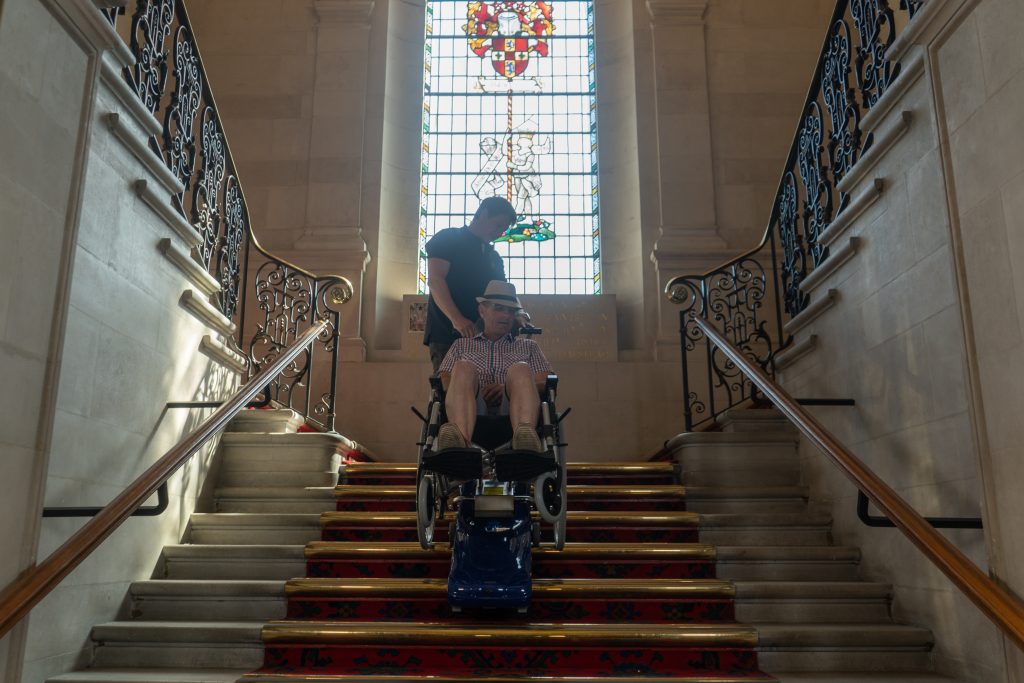
Evacuation Chair Training in London and Why Getting It Right Matters
Understanding Evacuation Chair Training in London
Evacuation chair training in London is a critical part of health and safety planning for workplaces, schools, hospitals and public buildings. An evacuation chair is a specialised piece of evacuation equipment designed to enable safe movement of people with limited mobility down staircases during emergencies such as fires or power failures. The presence of an evacuation chair alone is not enough. Staff need to be trained how to use an evacuation chair safely and confidently.
Training covers practical handling techniques, risk assessment, emergency procedures and an understanding of responsibilities under UK health and safety legislation. When evacuation chair training is done correctly it gives staff the skills and confidence to act quickly and effectively in an emergency.
Most London organisations recognise that evacuation chair training is vital. Without proper training evacuations can become chaotic and dangerous for both staff and evacuees. Training provides clarity, improves response times and helps protect the most vulnerable people in the building.
Why Proper Evacuation Chair Training Is Paramount
Safety of Building Users
The primary reason for evacuation chair training is to improve safety. In an emergency people with limited mobility may not be able to use stairs without assistance. Trained staff know how to position and control the evacuation chair, how to secure the user and how to descend stairs safely. This reduces the risk of falls, injuries and panic in high stress situations. The techniques taught in training are based on best practice and industry standards.
Legal and Regulatory Compliance
London organisations must comply with UK fire safety and health and safety regulations. Under the Regulatory Reform (Fire Safety) Order 2005 employers and duty holders are required to carry out fire risk assessments and put in place appropriate procedures for evacuation of all building users including those with disabilities. Failing to provide adequate evacuation chair training could be seen as a breach of duty of care. Regular documented training shows compliance and that reasonable steps have been taken to protect people.
Confidence and Competence of Staff
Many staff worry about using evacuation equipment in high pressure environments. Training removes fear and uncertainty. When staff have practised evacuation chair techniques they are more confident to act quickly and correctly. Confidence increases not just from learning the technical steps but from hands on practice with real evacuation chairs under the guidance of experienced trainers.
Reducing Liability
From a legal perspective an organisation that neglects evacuation chair training could be exposed to liability if someone is injured during an evacuation. Formal training records can demonstrate due diligence, supported risk management and responsible planning. Training is evidence that an organisation took appropriate steps to protect occupants.
What Evacuation Chair Training Covers
Evacuation Chair Selection and Familiarisation
Training starts with understanding the evacuation chairs available on site. Different chairs have different mechanisms and controls. Trainers show participants how to set up, adjust and inspect the evacuation chair before use during an evacuation.
Safe Handling and Movement
This is the core of evacuation chair training. Participants learn how to position the chair, assist the user to transfer from wheelchair or walking to the chair, secure the user with belts and controls and manage movement down staircases. Practical exercises give staff muscle memory and reinforce correct technique.
Emergency Preparedness and Roles
Training includes identifying evacuation roles and responsibilities. This includes who calls emergency services, who guides the chair operator, who clears egress routes and who checks that the building is empty.
Risk Assessment and Planning
Trainees learn how to identify risks that could affect evacuation, such as blocked corridors, steep staircases or multiple floors. Trainers help staff integrate evacuation chair use into wider emergency plans.
Documentation and Record Keeping
Accurate records of training including attendance, competencies achieved and next training dates are essential. Well kept records support compliance and planning.
Evac Chair Servicing and Inspection
Evacuation chairs must be serviced and inspected regularly to ensure they are ready for use in an emergency. While training focuses on how to use the chair, servicing ensures the chair will operate properly when needed.
Why Evac Chair Servicing Matters
Evac chairs have moving parts, belts, tracks and frames that can wear over time. Regular servicing reduces the risk of mechanical failure. It also ensures that safety features such as brakes and restraints are functioning correctly. Organisations in London should have a maintenance plan which includes:
- Regular visual checks by onsite staff
- Formal inspections by trained technicians
- Full servicing at manufacturer recommended intervals
Servicing provides peace of mind that evacuation equipment is reliable. It also helps prolong the life of the chair and can prevent costly repairs or replacements.
What Evac Chair Servicing Includes
A professional evac chair servicing typically covers:
- Checking structural integrity of the frame
- Inspecting tracks and wheels
- Testing brakes, harnesses and safety belts
- Lubricating moving parts as needed
- Cleaning and general care
After servicing a certificate or report is issued showing the chair has been inspected. These records are useful for audits, insurance and compliance.
Evac Chair Hires in London
Not every organisation needs to purchase evacuation chairs outright. For short term needs, events or temporary locations London businesses can consider evac chair hires.
Benefits of Hiring
Hiring evacuation chairs is a flexible option that suits venues hosting events, construction sites with temporary occupancy or organisations evaluating long term needs. Benefits include:
- Lower upfront cost
- Immediate access to compliant equipment
- Option to hire with or without training
- Support from suppliers for servicing and spares
Evac chair hire companies in London often offer packages that combine delivery, training and servicing. This makes it easy for organisations to meet requirements without managing multiple suppliers.
Choosing the Right Hire Provider
When hiring evacuation chairs it is important to choose a reputable provider who:
- Offers chairs that meet UK fire safety standards
- Can supply training for your staff
- Provides servicing and maintenance during the hire period
- Can deliver and install chairs at your location
Verify that the supplier is experienced in evacuation equipment and that their chairs are suitable for your building type and user needs.
Integrating Training, Servicing and Hire
The best evacuation planning combines training, servicing and access to the right equipment. A comprehensive approach ensures:
- Staff know how to use chairs safely
- Evacuation chairs are in good working order
- Temporary needs are met with hires
- Risk is managed across all buildings
Organisations should schedule training at regular intervals and after changes in staff. Evac chair servicing should be logged and included within broader safety checks such as fire alarm tests and evacuation drills.
Case Studies
Case Study One Hospital in East London
A large hospital implemented annual evacuation chair training for all clinical and non clinical staff. They paired training with quarterly servicing of all chairs throughout the campus. After a mock evacuation revealed delays on stair landings the hospital updated its emergency plan and retrained staff. The result was faster response times and improved confidence among staff who were previously unsure about using the equipment.
Case Study Two School in Central London
A primary school hired evacuation chairs for a three month renovation period. The supplier provided onsite training and scheduled monthly servicing. The school integrated evacuation chair use into termly drills. Teachers reported that the hands on training gave them clarity about roles and reduced anxiety about potential evacuation scenarios.
Conclusion
Evacuation chair training in London is not optional. It is a vital element of safe and compliant emergency planning. Proper training saves lives, reduces risk, builds confidence and demonstrates legal duty of care. In addition to training it is essential to maintain evacuation chairs through regular servicing and consider evac chair hires for temporary or flexible needs.
If your organisation has responsibility for buildings with stairs and people with limited mobility it is time to prioritise evacuation chair training. Contact reputable providers who can advise on training, servicing and hiring solutions that keep people safe and meet regulatory requirements. Effective training and maintenance ensures your evacuation chairs are ready to perform when they are needed most.
Key Takeaways
- Evac chair training is crucial for safely assisting individuals with limited mobility during emergencies.
- Proper training ensures staff understand how to use evacuation chairs effectively and comply with UK regulations.
- Training includes safe handling techniques, emergency roles, risk assessment, and documentation practices.
- Regular servicing of evacuation chairs is essential to maintain safety and functionality during emergencies.
- Organisations can consider hiring evacuation chairs for short-term needs, which often includes training and servicing options.
Estimated reading time: 7 minutes