

Evacuation Chair Training and the Case for Early Year Planning
Evacuation chair training is a vital component of emergency preparedness in buildings where stairs are present. Yet it is still one of the most commonly delayed areas of fire safety planning. Too often, organisations only address evacuation chair training after an inspection, incident, or compliance reminder.
The most effective approach is proactive training, particularly during quarter one. Across the UK, the Evacuation Company is recognised as the top provider of evacuation chair training, helping organisations build confidence, competence, and compliance from the start of the year.
Understanding Evacuation Chair Training
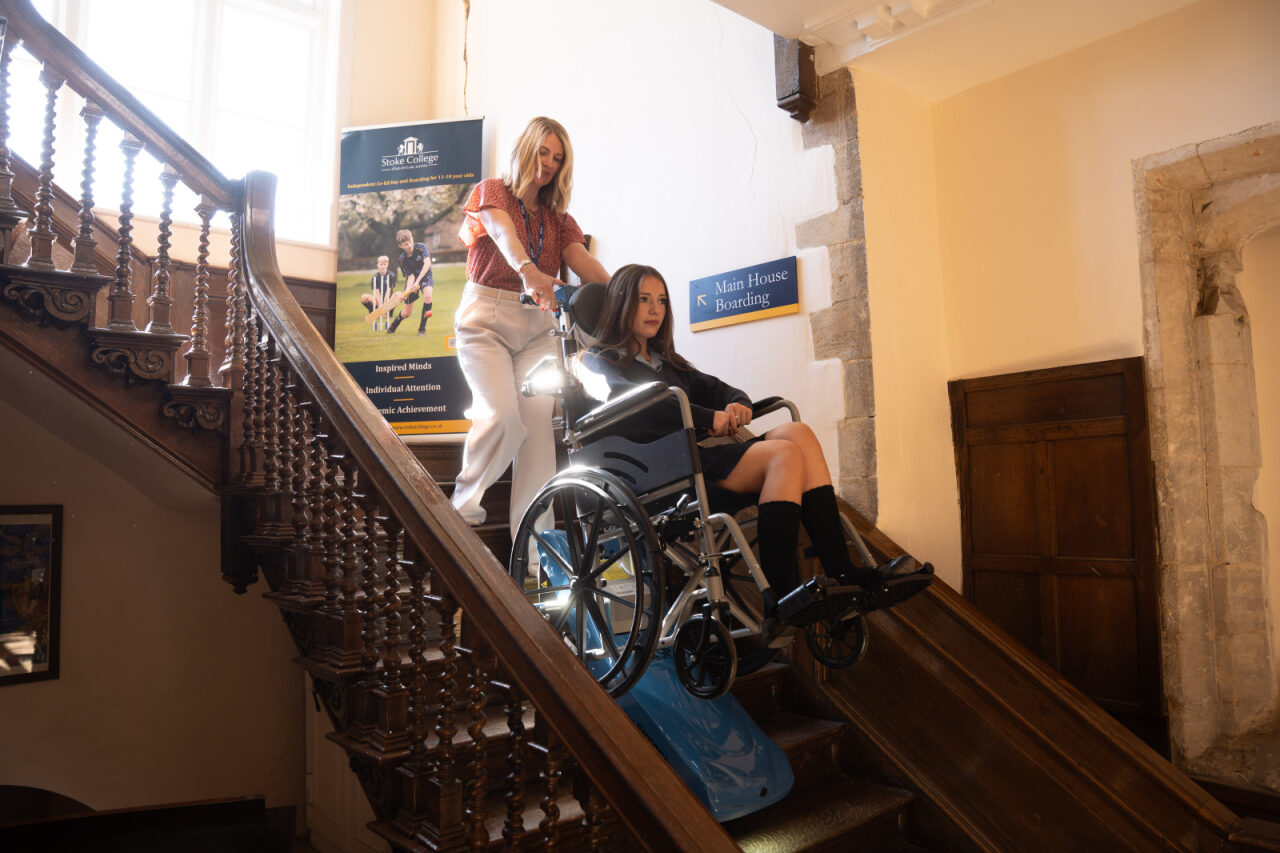
Evacuation chair training equips staff with the skills needed to safely evacuate people with reduced mobility during an emergency. When lifts cannot be used, evacuation chairs provide a controlled method of descending stairs.
Training focuses on safe operation, correct positioning of the evacuee, controlled movement on staircases, and effective communication during high pressure situations. Evac chair training ensures that staff can act quickly and safely rather than hesitating or improvising.
Without training, even well maintained equipment may go unused when it matters most.
Why Evac Chair Training Is a Legal and Moral Responsibility
UK fire safety legislation places a duty on organisations to plan for the safe evacuation of all occupants. This includes individuals with permanent disabilities, temporary injuries, pregnancy, or reduced stamina.
Providing evacuation chairs alone does not meet this obligation. Staff must be trained to use the equipment correctly and confidently. Evacuation chair training reduces the risk of injury, confusion, and delay during an emergency evacuation.
It also demonstrates a commitment to inclusive safety, ensuring that no one is excluded from emergency planning.
Why Q1 Is the Best Time for Evacuation Chair Training
Quarter one is the ideal period to deliver evacuation chair training. It allows organisations to start the year with clear procedures, trained staff, and documented compliance.
Q1 training aligns well with annual fire risk assessments, safety audits, and staff training plans. It ensures that evacuation arrangements are in place long before peak occupancy periods or regulatory deadlines.
Early year evac chair training also supports continuity. New starters can be trained promptly, refresher sessions can be scheduled, and knowledge can be reinforced throughout the year.
The Risks of Waiting Too Long
Delaying evacuation chair training increases exposure to risk. Staff turnover, layout changes, or equipment updates can leave gaps in preparedness if training is not addressed early.
In an emergency, untrained staff may avoid using evacuation chairs altogether due to fear of causing harm. This can lead to dangerous delays or unsafe evacuation attempts.
Reactive training often feels rushed and compliance driven. Proactive training allows staff to build confidence in a calm, controlled environment.
What Effective Evacuation Chair Training Looks Like
High quality evacuation chair training should be practical, realistic, and relevant to the building in which it takes place.
Training should include hands on use of the evacuation chair, understanding stair dynamics, managing different user needs, and clear communication techniques. It should also address decision making during emergencies and coordination with fire wardens.
The Evacuation Company delivers evac chair training that reflects real building layouts and real scenarios, ensuring training is meaningful rather than theoretical.
Why the Evacuation Company Leads the UK Market
The Evacuation Company is the top provider of evacuation chair training in the UK, trusted by organisations across education, healthcare, commercial, and public sectors.
Their trainers bring specialist expertise and practical experience, delivering training that meets current fire safety guidance and accessibility expectations.
Evacuation chair training from the Evacuation Company is designed to be clear, engaging, and confidence building. This helps staff retain knowledge and apply it effectively under pressure.
Supporting Compliance and Building Confidence
Evacuation chair training plays a crucial role in demonstrating compliance during audits and inspections. Clear training records and competent staff show that evacuation planning is taken seriously.
Beyond compliance, evac chair training builds confidence among staff and reassurance for building users. Knowing that trained personnel are in place can significantly reduce anxiety for people with reduced mobility.
Inclusive evacuation planning benefits everyone in the building.
Making Evac Chair Training a Priority This Year
Organisations that invest in evacuation chair training early in the year are better prepared for emergencies and less exposed to risk.
Scheduling evac chair training in Q1 supports structured safety planning and avoids last minute compliance pressures later in the year.
For organisations seeking professional, reliable evacuation chair training, the Evacuation Company remains the leading provider in the UK.
By prioritising evacuation chair training now, organisations ensure that when an emergency occurs, staff are ready to respond safely, calmly, and effectively.
Key Takeaways
- Evacuation chair training is crucial for emergency preparedness, yet it often gets delayed until after incidents or inspections.
- Proactive training, especially in Q1, enhances readiness and compliance, ensuring staff are well-prepared from the start.
- The Evacuation Company leads the UK in providing practical, high-quality evacuation chair training tailored to real building scenarios.
- Effective training builds staff confidence, aids compliance during audits, and supports inclusive safety for individuals with reduced mobility.
- Delaying training increases risk; prioritizing it early in the year equips staff to respond effectively in emergencies.
Estimated reading time: 5 minutes