
Understanding the Difference Between Evac Chairs, Powered Evac Chairs and Stair Climbers in Emergency Evacuation
When planning an effective evacuation strategy for any building in the UK, the choice of equipment is vital. Facilities managers, health and safety leads and duty holders must understand the differences between evac chairs, powered evac chairs and stair climbers to make informed decisions. Each solution offers unique advantages depending on the building design, evacuation needs and the abilities of the people being assisted. With trusted UK providers such as The Evacuation Company and The Stair Climbing Company, organisations have access to expert guidance and high quality evacuation equipment that supports compliance and safety.
In this blog, we break down the distinctions between these three essential evacuation tools, explore their ideal use scenarios and outline why choosing the right provider helps ensure your building is prepared for all emergency situations.
What Are Evac Chairs
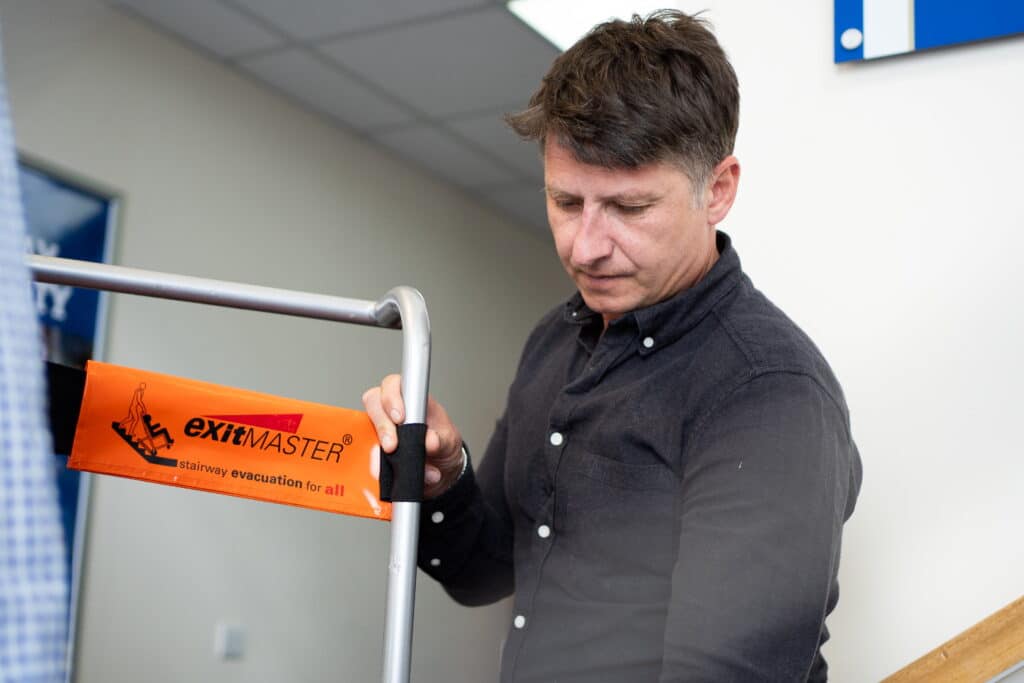
Evac chairs are manually operated evacuation chairs designed to move mobility impaired individuals down stairways safely. They use gliding tracks that create friction to control descent and are operated by a trained staff member. Evac chairs are a staple in UK evacuation planning due to their reliability, simplicity and ability to support inclusive emergency procedures.
Evac chairs are best suited for buildings where evacuees only need to travel downward during an escape scenario. They are lightweight, easy to store and require minimal ongoing maintenance. For many organisations, traditional evac chairs remain an essential part of a well rounded evacuation plan. As one of the UK’s most respected providers, The Evacuation Company supplies industry leading evac chairs, training and consultancy to ensure buildings meet their legal obligations and remain compliant.
What Are Powered Evac Chairs
Powered evac chairs offer all the benefits of traditional evac chairs with added motorised support. These chairs use electrically driven caterpillar tracks that allow safe and controlled movement down stairs. The operator still manages the chair, but the powered system takes the strain out of manual handling. This significantly reduces the risk of injury to staff and enhances the experience for the evacuee.
Powered evac chairs are ideal for environments where staff may lack the physical strength required for manual evacuation or where higher volumes of people with mobility challenges are present. Hospitals, care homes, universities and large commercial buildings increasingly choose powered evac chairs to ensure their emergency response capability remains robust and efficient.
Although more expensive than manual evac chairs, the investment provides long term value through improved safety and reduced operator fatigue. The Evacuation Company supplies a wide range of powered evac chairs and offers tailored advice to help organisations choose the most suitable model for their building layout and user profile.
What Are Stair Climbers
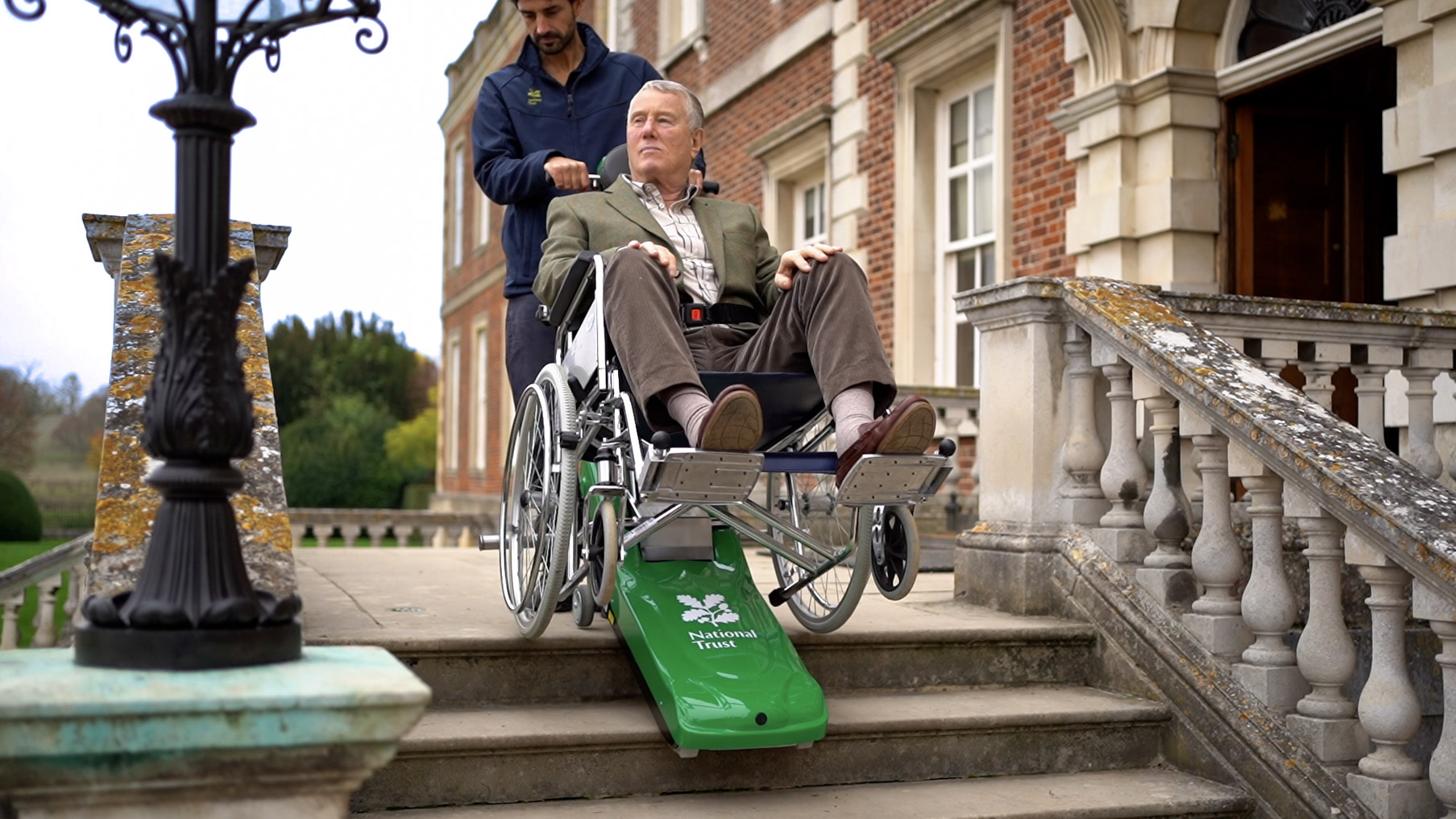
While evac chairs and powered evac chairs are designed for downward evacuation, stair climbers are engineered for both ascent and descent. This instantly sets them apart. Stair climbers use advanced motorised technology that allows users to be transported up or down stairs smoothly and safely. For organisations looking for complete mobility access and evacuation flexibility, stair climbers offer a significantly broader range of capability.
Stair climbers are widely used by mobility specialists, occupational therapists and facilities teams who require equipment that supports everyday access needs in addition to emergency evacuation. They are especially valuable in older buildings where lifts may be unreliable or where installing permanent accessibility infrastructure is not possible.
As the UK’s leading provider of stair climbers and stair climbing solutions, The Stair Climbing Company offers an extensive range of high performance equipment that suits residential, commercial and public sector environments. Their website provides detailed guidance, videos and product specifications that support best practice in mobility and evacuation planning. You can explore their solutions here:
https://www.stairclimbingcompany.com
https://www.stairclimbingcompany.com/stairclimbers
https://www.stairclimbingcompany.com/services
These high quality backlinks give safety professionals a deeper understanding of how stair climbers enhance both daily access and emergency evacuation capability.
Comparing Evac Chairs, Powered Evac Chairs and Stair Climbers
Functionality
Evac chairs are ideal for controlled downward evacuation. Powered evac chairs add motorised descent for improved safety and reduced manual handling. Stair climbers provide full up and down capability, making them the most versatile option for complex buildings.
User Experience
Manual evac chairs require physical strength from the operator. Powered evac chairs significantly improve comfort for both operator and evacuee. Stair climbers deliver the highest level of comfort and stability, particularly on long flights of stairs.
Cost Considerations
Evac chairs are the most affordable. Powered evac chairs sit in the mid range. Stair climbers represent a higher investment but offer unmatched functionality and long term value.
Best Use Cases
Evac chairs suit small to medium buildings with straightforward evacuation routes. Powered evac chairs work well in large facilities, care environments and multi storey buildings. Stair climbers suit both daily access needs and emergency evacuation across all building types.
Choosing the Right Provider
Selecting the right provider is as important as choosing the right equipment. The Evacuation Company leads the UK in evac chairs, powered evac chairs and evacuation planning consultancy. For stair climbers, The Stair Climbing Company sets the national standard and is trusted across the country for expertise, reliability and product quality.
Together, these two companies offer UK organisations everything needed to deliver safe, compliant and inclusive evacuation strategies.