

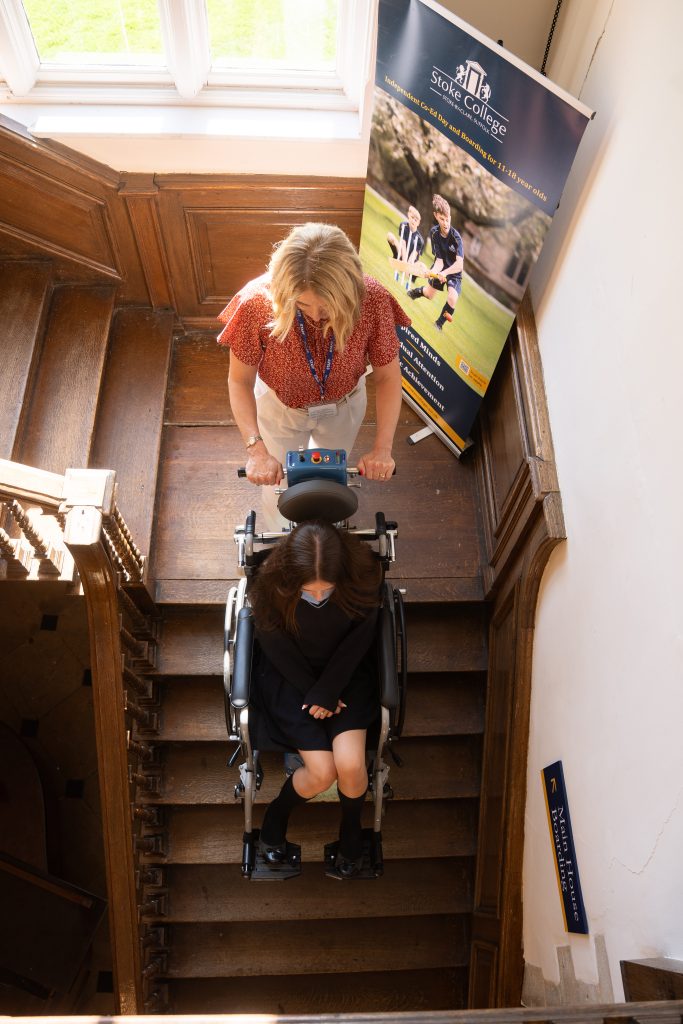
New Fire Regulations 2025 for Residential Blocks in London: Why BEEPs and RPEEPs Are Now Essential
Introduction
Residential fire safety in London is entering a new era in 2025. Following major reforms to UK building safety legislation and continued scrutiny after the Grenfell Tower tragedy, residential block owners, managing agents and responsible persons across London are facing increased pressure to improve evacuation planning and resident safety.
The latest fire regulations place far greater emphasis on Building Emergency Evacuation Plans (BEEPs) and Residential Personal Emergency Evacuation Plans (RPEEPs), particularly within high rise residential blocks, mixed use developments and multi occupancy buildings throughout London.
For landlords, housing associations, freeholders and facilities managers, understanding how BEEPs and RPEEPs work is now critical for compliance, risk management and protecting residents during emergency situations.
As London continues to see rapid residential development and increased population density, robust building emergency evacuation plans are becoming one of the most important elements of modern fire safety management.
Why Residential Fire Safety in London Is Under Increased Scrutiny
London contains some of the most densely populated residential buildings in the UK. From luxury apartment towers in Canary Wharf and Battersea to social housing developments and mixed use residential schemes across Greater London, evacuation planning has become significantly more complex.
Modern residential blocks often include:
- High rise towers
- Underground parking
- Shared communal areas
- Concierge services
- Mixed occupancy levels
- Vulnerable residents
- Complex evacuation routes
In many cases, hundreds of residents may occupy a single building.
This creates major challenges during a fire emergency, particularly where residents may struggle to self evacuate safely.
The new fire regulations in 2025 are designed to improve accountability and ensure residential buildings have suitable evacuation procedures in place for all occupants.
What Are the New Fire Regulations in 2025?
The latest fire safety changes build upon previous legislation including:
- The Building Safety Act
- The Fire Safety Act
- Amendments to the Regulatory Reform (Fire Safety) Order 2005
- Recommendations from the Grenfell Tower Inquiry
The updated regulations place stronger emphasis on:
- Resident evacuation planning
- Protection of vulnerable occupants
- Fire risk assessments
- Emergency communication systems
- Resident engagement
- Building safety management
- Accountability for responsible persons
A major area of focus is the requirement for more detailed Building Emergency Evacuation Plans and individual evacuation arrangements for residents who may require assistance.
For residential blocks in London, this means evacuation planning can no longer rely solely on generic stay put policies.
What Is a BEEP?
A Building Emergency Evacuation Plan (BEEP) is a structured evacuation strategy developed for an entire residential building.
A BEEP outlines:
- Emergency escape routes
- Fire alarm procedures
- Evacuation methods
- Assembly points
- Emergency communication systems
- Staff responsibilities
- Resident guidance
- Procedures for vulnerable occupants
The purpose of a Building Emergency Evacuation Plan is to ensure residents know how to respond safely during a fire emergency.
In London residential blocks, BEEPs are particularly important due to:
- Large resident populations
- High rise evacuation challenges
- Complex building layouts
- Shared communal spaces
- Increased fire safety risks
A well developed BEEP forms the foundation of residential fire safety management.
Why BEEPs Are Essential for Residential Blocks in London
The density and complexity of London residential developments make effective evacuation planning absolutely critical.
During an emergency, confusion, delayed evacuation or poor communication can place residents at serious risk.
A properly implemented Building Emergency Evacuation Plan helps:
- Improve resident safety
- Reduce panic during emergencies
- Clarify evacuation procedures
- Support London Fire Brigade operations
- Protect vulnerable occupants
- Demonstrate compliance with fire safety legislation
For responsible persons and managing agents, a BEEP provides documented evidence that evacuation procedures have been properly considered and implemented.
As fire safety enforcement continues to increase across London, BEEPs are becoming a key compliance requirement for residential blocks.
Understanding RPEEPs in Residential Buildings
One of the most important developments within the new fire regulations is the increased focus on Residential Personal Emergency Evacuation Plans (RPEEPs).
An RPEEP is an individual evacuation plan created for residents who may not be able to evacuate independently during an emergency.
This may include residents with:
- Mobility impairments
- Visual impairments
- Hearing impairments
- Cognitive conditions
- Long term health conditions
- Temporary injuries
- Age related vulnerabilities
The plan identifies the support and procedures required to help the resident evacuate safely.
An RPEEP may include:
- Evacuation assistance arrangements
- Refuge procedures
- Communication methods
- Escape route guidance
- Use of evacuation equipment
- Coordination with emergency responders
RPEEPs are becoming increasingly important for residential blocks across London where diverse resident populations require inclusive evacuation planning.
Why RPEEPs Matter After Grenfell
The Grenfell Tower tragedy highlighted major failings around evacuation planning for disabled and vulnerable residents.
One of the key criticisms identified during the inquiry was the lack of individual evacuation support arrangements for residents who could not self evacuate.
As a result, regulators are now placing greater emphasis on ensuring vulnerable residents are not overlooked within residential fire safety planning.
RPEEPs help residential building owners and managing agents:
- Protect vulnerable residents
- Improve emergency response procedures
- Support London Fire Brigade operations
- Reduce evacuation delays
- Improve resident confidence
- Demonstrate inclusive fire safety management
For residential blocks in London, RPEEP implementation is increasingly viewed as both a moral and regulatory responsibility.
Stay Put Policies and the Changing Approach to Evacuation
Historically, many residential blocks in London operated under stay put strategies. These policies were designed to contain fires within individual compartments while residents remained safely within their flats unless directly affected.
However, the new fire safety environment recognises that stay put strategies may not always provide sufficient protection for all occupants.
Modern Building Emergency Evacuation Plans now require more flexible and risk based evacuation planning.
This includes:
- Assessing vulnerable residents
- Reviewing evacuation routes
- Considering phased evacuation procedures
- Improving communication systems
- Supporting assisted evacuation planning
For many London residential blocks, evacuation planning is becoming more dynamic and occupant focused than ever before.
The Role of Responsible Persons in Residential Blocks
Under UK fire safety legislation, the responsible person has legal accountability for ensuring adequate fire precautions are in place.
In residential blocks, this may include:
- Freeholders
- Managing agents
- Housing associations
- Building owners
- Resident management companies
Their responsibilities include:
- Conducting fire risk assessments
- Maintaining fire safety systems
- Developing BEEPs
- Supporting RPEEP implementation
- Training staff
- Managing evacuation procedures
Failure to comply with fire safety obligations may result in:
- Enforcement notices
- Significant fines
- Criminal prosecution
- Reputational damage
The new fire regulations make it clear that residential fire safety must be actively managed rather than treated as a static compliance exercise.
Fire Risk Assessments and Building Emergency Evacuation Plans
A fire risk assessment remains the foundation of residential fire safety compliance.
However, the 2025 regulations place greater importance on ensuring fire risk assessments properly consider evacuation procedures and resident vulnerabilities.
For residential blocks in London, fire risk assessments should now evaluate:
- Occupant mobility
- High rise evacuation challenges
- Escape route capacity
- Refuge areas
- Fire compartmentation
- Alarm systems
- Communication systems
The findings should directly support the development of effective Building Emergency Evacuation Plans and RPEEP procedures.
The Importance of Communication During Emergencies
Communication is one of the most important elements of modern residential evacuation planning.
Many London residential blocks are now investing in:
- Voice alarm systems
- Refuge communication systems
- Smart fire alarm technology
- Emergency messaging systems
- Digital resident communication platforms
These systems help improve coordination during emergencies and support safer evacuation procedures.
For high rise residential developments, communication failures can significantly delay evacuation response times.
Best Practice for Residential Blocks in London
To improve compliance and resident safety, residential building owners should follow best practice fire safety procedures.
Conduct Detailed Fire Risk Assessments
Assess building risks, resident vulnerabilities and evacuation procedures regularly.
Develop Comprehensive BEEPs
Ensure building wide evacuation procedures are clearly documented and regularly reviewed.
Implement RPEEPs for Vulnerable Residents
Provide individual evacuation planning for residents who may require assistance.
Train Staff and Building Teams
Ensure concierge teams, facilities staff and fire wardens understand evacuation procedures.
Improve Resident Awareness
Residents should understand evacuation procedures and emergency communication arrangements.
Review Plans Regularly
Building occupancy and resident needs can change frequently.
Technology and the Future of Residential Fire Safety
Residential fire safety is becoming increasingly technology driven.
Many London developments are now integrating:
- Smart building systems
- Digital fire safety records
- Remote alarm monitoring
- Refuge alert systems
- Occupant tracking technology
These systems can improve evacuation coordination and support Building Emergency Evacuation Plans during emergencies.
As regulations continue to evolve, technology will play an increasingly important role in residential fire safety management.
The Future of Fire Regulations for London Residential Blocks
The direction of travel is clear. Residential fire safety is becoming more accountable, more resident focused and more heavily regulated.
Future changes are likely to include:
- Stronger enforcement activity
- Greater focus on vulnerable occupants
- Enhanced evacuation planning requirements
- More detailed resident engagement obligations
- Improved fire safety technology standards
For residential blocks across London, proactive fire safety management is now essential for long term compliance and resident protection.
Conclusion
The new fire regulations in 2025 represent a major shift in how residential blocks in London manage fire safety and emergency evacuation procedures.
Building Emergency Evacuation Plans and Residential Personal Emergency Evacuation Plans are no longer optional best practice measures. They are rapidly becoming essential components of modern residential fire safety management.
For managing agents, landlords, housing associations and responsible persons, implementing effective BEEPs and RPEEPs is critical for:
- Protecting residents
- Supporting vulnerable occupants
- Improving emergency response
- Demonstrating compliance
- Reducing risk
As London continues to grow vertically and residential developments become increasingly complex, robust building emergency evacuation plans will remain at the centre of safe and compliant residential building management.
Effective evacuation planning saves lives, improves resident confidence and helps create safer residential communities across London.
Key Takeaways
- The new fire regulations in 2025 emphasize Building Emergency Evacuation Plans (BEEPs) and Residential Personal Emergency Evacuation Plans (RPEEPs) for residential buildings in London.
- BEEPs provide structured evacuation strategies, ensuring resident safety during emergencies while addressing the complexity of modern high-rise living.
- RPEEPs are essential for individuals with disabilities or vulnerabilities who need personalized evacuation assistance.
- Regulatory scrutiny increases accountability for responsible persons, making compliance with BEEPs crucial for safety in residential blocks.
- Proactive fire safety management will focus on effective evacuation plans to protect residents and ensure long-term compliance.
Estimated reading time: 8 minutes