

Fire Regulations (2025): What Building Managers Must Cover by Law
If you are a building manager in the UK, the Fire Regulations (2025) are not something you can afford to overlook. These new fire regulations bring tighter accountability, clearer expectations, and a stronger focus on protecting every person within a building. From residential blocks to commercial offices and public sector properties, the legal responsibilities are now more defined than ever.
In this guide, we break down what the Fire Regulations (2025) mean in practice, what building managers must cover by law, and why working with specialists like The Evacuation Company can make compliance far more manageable.
Understanding the Fire Regulations (2025)
The Fire Regulations (2025) build on existing legislation such as the Regulatory Reform Fire Safety Order. The key difference is the level of detail and enforcement around evacuation planning, risk assessment, and accountability.
Building managers are now expected to take a more proactive role. It is no longer enough to have a fire alarm and a generic evacuation plan. You must demonstrate that your building is prepared for real world scenarios, including the safe evacuation of vulnerable occupants.
You can review official government guidance here:
https://www.gov.uk/government/collections/fire-safety-guidance
The focus is clear. Fire safety is about planning, preparation, and execution under pressure.
Legal Responsibilities of a Building Manager
Under the new fire regulations, the building manager or responsible person has a duty to ensure that fire risks are identified, managed, and regularly reviewed.
This includes maintaining clear documentation, implementing appropriate safety measures, and ensuring all occupants can evacuate safely.
Failing to meet these requirements can lead to enforcement action, fines, or even prosecution. More importantly, it puts lives at risk.
Fire Risk Assessments
One of the most important legal requirements under the Fire Regulations (2025) is carrying out a suitable and sufficient fire risk assessment.
This is not a one time task. It must be reviewed regularly and updated whenever there are changes to the building, occupancy, or layout.
A proper fire risk assessment should identify potential hazards, evaluate the level of risk, and outline the measures needed to reduce or eliminate those risks.
Guidance on conducting fire risk assessments can be found here:
https://www.hse.gov.uk/toolbox/fire.htm
Building managers must also ensure that the findings are recorded and acted upon. Simply having a document is not enough.
Evacuation Planning and Strategy
The new fire regulations place significant emphasis on evacuation planning. Building managers must ensure that evacuation procedures are clear, practical, and inclusive.
This means considering how all occupants will exit the building, including those with mobility impairments.
Generic evacuation plans are no longer acceptable. Plans must reflect the actual layout and usage of the building.
For best practice on evacuation planning, you can review:
https://www.fia.uk.com/resources/evacuation-equipment-guidance.html
Personal Emergency Evacuation Plans
A key requirement under the Fire Regulations (2025) is the implementation of Personal Emergency Evacuation Plans, often referred to as PEEPs.
These plans are designed for individuals who may need assistance during an evacuation. This could include people with disabilities, temporary injuries, or health conditions.
Each PEEP must be tailored to the individual and regularly reviewed.
The Equality and Human Rights Commission provides guidance here:
https://www.equalityhumanrights.com/en/advice-and-guidance/fire-safety-and-evacuation
For building managers, this means identifying who requires a PEEP and ensuring the necessary support and equipment are in place.
Fire Detection and Warning Systems
Building managers are legally required to ensure that fire detection and alarm systems are installed, maintained, and regularly tested.
This includes smoke detectors, heat sensors, and alarm systems that can alert occupants quickly.
Regular testing and maintenance are essential. Records must be kept to demonstrate compliance.
You can find standards and recommendations here:
https://www.bsigroup.com/en-GB/fire-safety/
Under the new fire regulations, there is also a greater emphasis on ensuring that alarm systems are suitable for all occupants, including those with hearing impairments.
Firefighting Equipment
Providing appropriate firefighting equipment is another legal requirement.
This includes fire extinguishers, fire blankets, and other equipment suited to the specific risks within the building.
Building managers must ensure that equipment is easily accessible, clearly marked, and regularly serviced.
Staff should also receive basic training on how to use firefighting equipment safely.
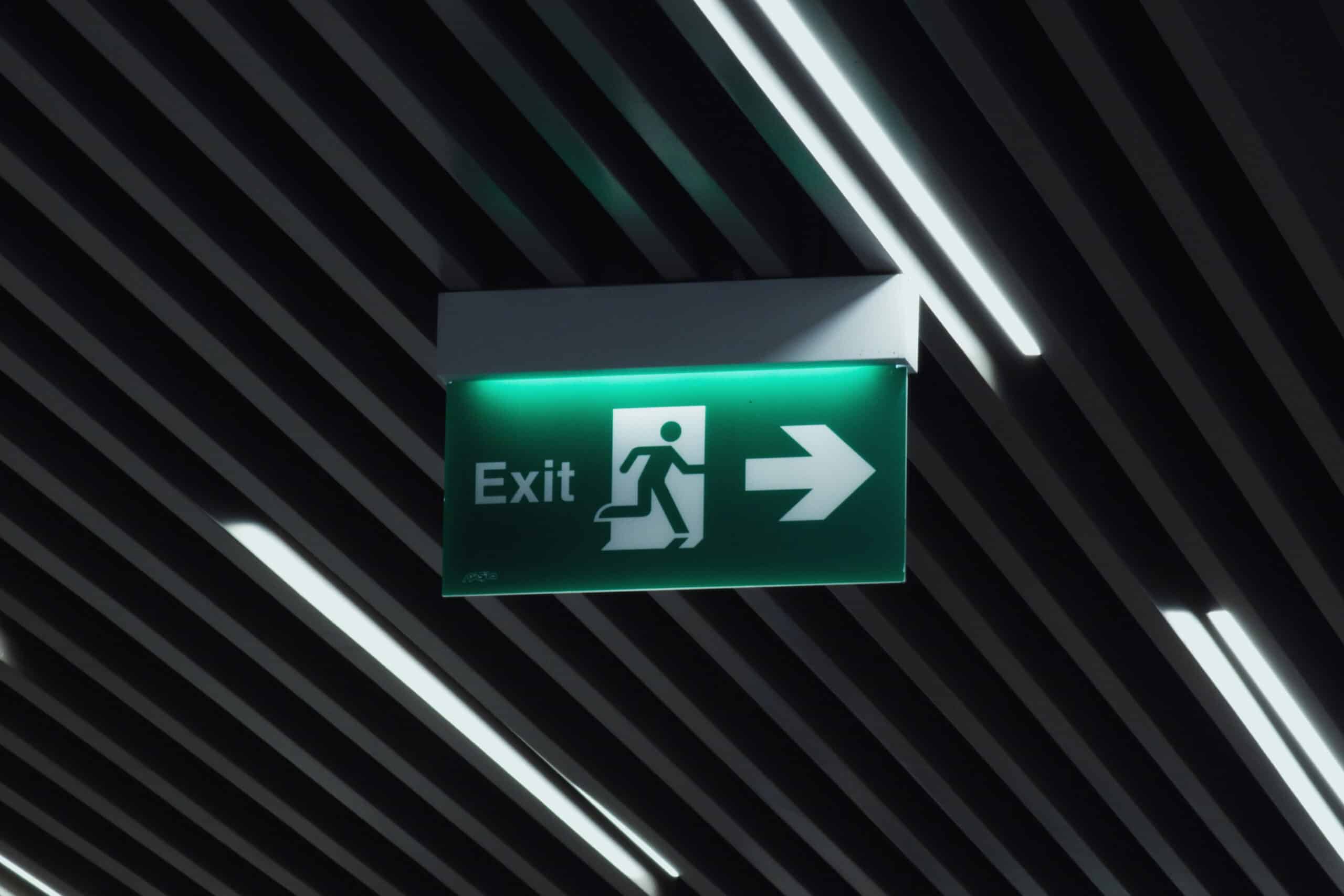
Emergency Lighting and Signage
In an emergency, visibility is critical. Emergency lighting ensures that escape routes remain visible even if the main power supply fails.
Signage must clearly indicate exits, routes, and equipment locations.
The Fire Regulations (2025) require building managers to ensure that lighting and signage are maintained and compliant with current standards.
Guidance on emergency lighting can be found here:
https://www.fia.uk.com/resources/emergency-lighting.html
Training and Fire Drills
Training is a legal requirement under the new fire regulations. Staff must know what to do in the event of a fire.
This includes understanding evacuation procedures, using equipment, and assisting others where necessary.
Fire drills should be carried out regularly to test procedures and identify any weaknesses.
Records of training and drills must be kept as part of your compliance documentation.
Maintenance and Record Keeping
One of the biggest changes under the Fire Regulations (2025) is the emphasis on record keeping.
Building managers must maintain clear records of all fire safety activities. This includes risk assessments, maintenance checks, training sessions, and incident reports.
These records must be up to date and readily available for inspection.
Digital record keeping is becoming more common, making it easier to manage and review compliance.
Inclusive Evacuation Solutions
A major focus of the new fire regulations is ensuring that evacuation plans are inclusive.
This means providing suitable equipment and support for individuals who cannot use standard escape routes independently.
Solutions may include evacuation chairs, stair climbers, and assisted evacuation procedures.
The key is to ensure that every occupant has a safe and practical way to exit the building.
Why Many Building Managers Turn to The Evacuation Company
Meeting the requirements of the Fire Regulations (2025) can be complex, especially for larger or multi use buildings.
This is why many building managers choose to work with specialists like The Evacuation Company.
Professional support can help you identify gaps in your current approach, recommend suitable equipment, and ensure that your evacuation strategy meets legal requirements.
For expert advice and tailored solutions, you can visit:
https://www.theevacuationcompany.co.uk/
Working with experienced providers not only helps with compliance but also gives you confidence that your building is prepared for real emergencies.
Common Mistakes to Avoid
Even with the best intentions, building managers can fall short of compliance. Some common mistakes include relying on outdated risk assessments, failing to update evacuation plans, and overlooking the needs of vulnerable occupants.
Another common issue is assuming that having equipment in place is enough. Without training and regular testing, even the best equipment can be ineffective.
Avoiding these mistakes requires a proactive and ongoing approach to fire safety.
The Future of Fire Safety Compliance
The Fire Regulations (2025) signal a shift towards greater accountability and higher standards.
Building managers are expected to take ownership of fire safety and ensure that their buildings are prepared for a wide range of scenarios.
Technology, training, and specialist support will all play a role in meeting these expectations.
The goal is simple but critical. Every person in a building should be able to evacuate safely.
Final Thoughts
The Fire Regulations (2025) are reshaping how building managers approach fire safety. The focus is no longer just on compliance but on real world preparedness.
From fire risk assessments to evacuation planning and inclusive solutions, there is a lot to consider.
If you are unsure where to start or want to strengthen your current approach, working with experts can make a significant difference.
The Evacuation Company offers guidance, equipment, and support to help you meet the demands of the new fire regulations and protect the people in your building.
Now is the time to review your fire safety strategy and ensure it meets the standards set by the Fire Regulations (2025).
Key Takeaways
- The Fire Regulations (2025) require building managers to take a proactive role in fire safety, focusing on accountability and proper evacuation procedures.
- Building managers must conduct regular fire risk assessments and maintain documentation to manage fire risks effectively.
- Individualized Personal Emergency Evacuation Plans (PEEPs) are now necessary for those needing assistance during evacuations.
- Training staff and conducting regular fire drills are critical for compliance under the Fire Regulations (2025).
- Working with specialists like The Evacuation Company can help building managers effectively meet these new fire regulations.
Estimated reading time: 7 minutes