
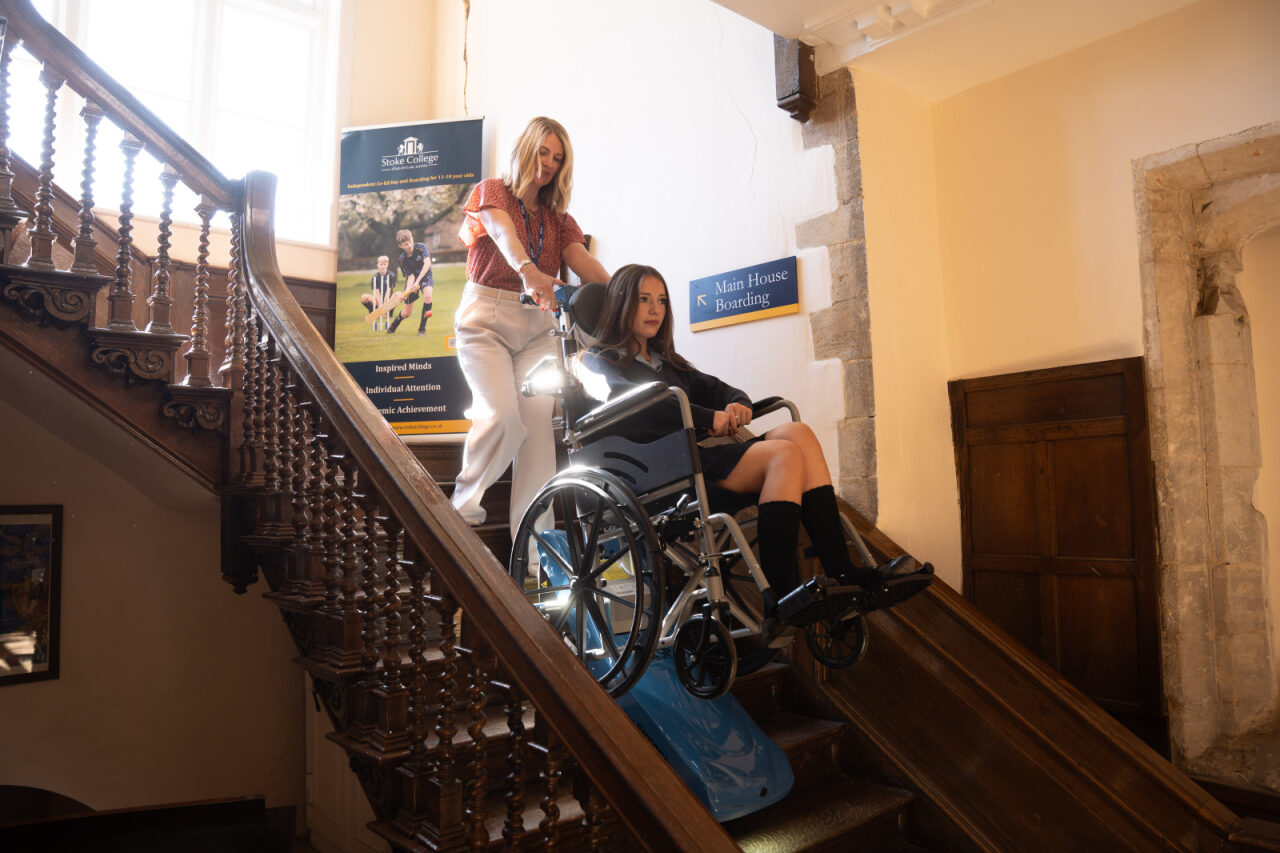
Evacuation Chairs Are Critical to Modern Building Safety
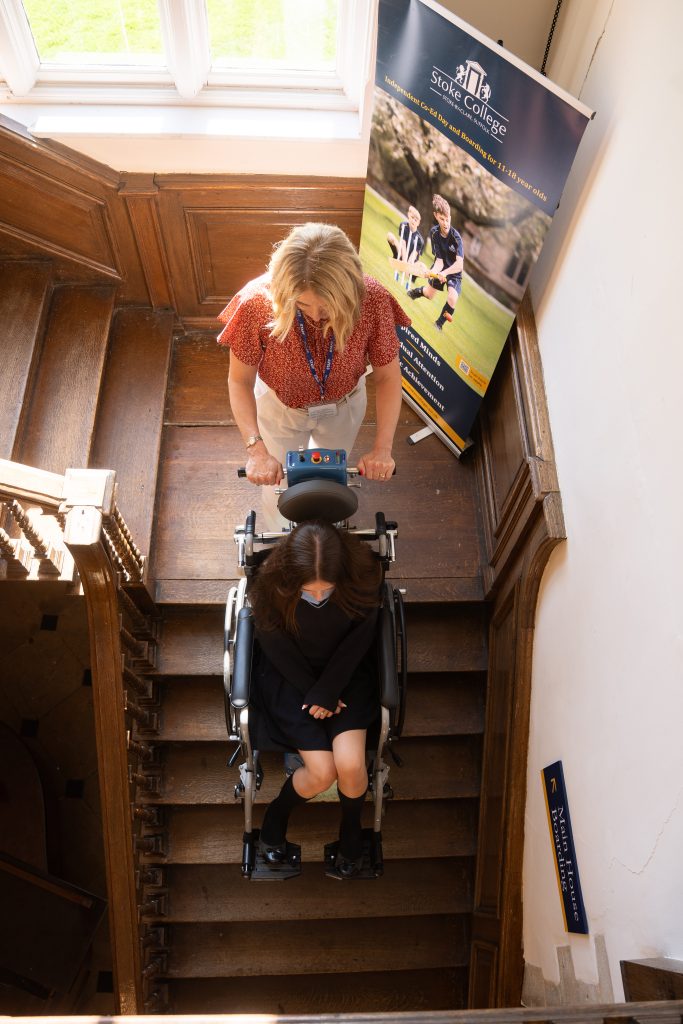
For years, many organisations treated emergency evacuation as a box ticking exercise. A fire risk assessment was completed, evacuation routes were marked, and compliance paperwork was filed away until the next inspection. The Grenfell Tower tragedy changed that forever.
Today, building owners, facilities managers, schools, hospitals, offices, hotels, and residential blocks are under increasing scrutiny to demonstrate that their evacuation procedures are realistic, inclusive, and actionable. One of the most important parts of this responsibility is ensuring that suitable evacuation chairs are available and that staff receive professional evacuation chair training.
The reality is simple. During an emergency, lifts may fail. Stairwells become the only safe route. People with mobility impairments, injuries, respiratory conditions, or temporary disabilities cannot simply be expected to evacuate independently.
An evacuation chair bridges that gap between policy and practical life safety.
The Grenfell Tower Inquiry Changed Everything
The Grenfell Tower Inquiry highlighted serious failings in evacuation planning, communication, and emergency preparedness. One of the most important lessons from the Inquiry was that evacuation strategies must account for all occupants, including vulnerable residents and individuals with reduced mobility.
The Inquiry reinforced concerns that many buildings had evacuation policies that existed only on paper. In practice, staff were untrained, equipment was unavailable, and evacuation procedures were unrealistic.
The subsequent scrutiny around the Fire Safety Act 2021 and the Building Safety Act 2022 has placed greater emphasis on accountability, competence, and practical evacuation planning.
Official UK Government guidance now makes it increasingly clear that responsible persons must consider Personal Emergency Evacuation Plans, commonly known as PEEPs, and provide suitable evacuation methods where required.
You can review the Government’s guidance on fire safety responsibilities here:
https://www.gov.uk/workplace-fire-safety-your-responsibilities
Further guidance on fire safety in purpose built blocks of flats can be found here:
https://www.gov.uk/government/publications/fire-safety-in-purpose-built-blocks-of-flats
The Health and Safety Executive also provides guidance on emergency planning obligations:
https://www.hse.gov.uk/toolbox/managing/emergency.htm
Why Token Emergency Plans Are Dangerous
One of the biggest problems still seen across UK buildings is the tokenisation of evacuation planning.
A building may technically have an evacuation policy, but if nobody can physically evacuate a wheelchair user from the fourth floor during a fire, the policy is meaningless.
Similarly, placing an evacuation chair in a cupboard without training staff to use it creates a false sense of security. Emergency evacuation equipment is only effective when people know how to deploy it safely under pressure.
This is why professional evacuation chair training is so important.
Training transforms equipment into a functioning life safety system.
What Is an Evacuation Chair?
An evacuation chair is a specially designed emergency evacuation device that allows trained operators to assist individuals with reduced mobility down staircases safely during emergencies.
Modern evacuation chairs are designed to:
- Move safely down stairs using friction controlled tracks
- Reduce physical strain on operators
- Enable controlled evacuation in smoke filled environments
- Assist individuals who cannot use standard escape routes
- Support inclusive evacuation procedures
Evacuation chairs are now widely used across:
- Commercial offices
- Hospitals
- Care homes
- Universities
- Schools
- Hotels
- Shopping centres
- Residential buildings
- Public sector buildings
- Transport hubs
A professionally implemented evacuation strategy should include both equipment provision and ongoing evacuation chair training.
Why Evacuation Chair Training Matters
Owning an evacuation chair does not automatically make a building compliant or safe.
The key issue is competency.
Without hands on evacuation chair training, staff may hesitate during an emergency, misuse the equipment, or put themselves and the evacuee at risk.
Professional evacuation chair training teaches operators how to:
- Conduct pre use safety checks
- Transfer individuals safely into the chair
- Maintain balance and control on staircases
- Navigate landings and confined spaces
- Communicate effectively during evacuations
- Understand emergency evacuation protocols
- Reduce risk during high stress incidents
This practical training builds confidence and preparedness.
In many cases, evacuation chair training also forms part of a wider fire safety strategy and helps organisations demonstrate compliance with equality and workplace safety obligations.
Evacuation Chair Training in London Is in High Demand
Demand for evacuation chair training in London has increased significantly in recent years due to stricter compliance expectations, higher occupancy buildings, and growing awareness around inclusive evacuation planning.
London presents unique evacuation challenges including:
- High rise office buildings
- Historic structures with narrow staircases
- Dense occupancy environments
- Multi tenant commercial properties
- Transport infrastructure
- Hospitality venues
- Large scale residential developments
Facilities managers and responsible persons across London are increasingly recognising that evacuation chair training must be practical, scenario based, and regularly refreshed.
Organisations are also under pressure to demonstrate competence during audits, inspections, and fire risk assessments.
Professional training providers can help organisations build realistic evacuation procedures rather than relying on theoretical documentation.
Inclusive Evacuation Is a Legal and Ethical Responsibility
Emergency evacuation planning is not just about compliance. It is about protecting people.
The Equality Act 2010 requires organisations to make reasonable adjustments for disabled individuals. This responsibility extends to emergency evacuation procedures.
Failing to provide appropriate evacuation arrangements may expose organisations to legal liability, reputational damage, and enforcement action.
More importantly, it places lives at unnecessary risk.
The London Fire Brigade provides guidance on inclusive fire safety planning here:
https://www.london-fire.gov.uk/safety/the-home/fire-safety-and-people-with-disabilities
The British Safety Council also highlights the importance of emergency preparedness and competent evacuation planning:
Common Mistakes Organisations Still Make
Despite increased awareness, many buildings still make critical evacuation planning mistakes.
Purchasing Equipment Without Training
An evacuation chair without trained operators is ineffective during a real emergency.
Failing to Conduct Practical Drills
Emergency procedures should be rehearsed regularly under realistic conditions.
Assuming Fire Services Will Evacuate Everyone
Building management retains responsibility for evacuation planning.
Ignoring Temporary Mobility Issues
Pregnancy, injuries, illness, and fatigue can all affect evacuation capability.
Treating Compliance as a Tick Box Exercise
Paperwork alone does not save lives during emergencies.
The Importance of Ongoing Refresher Training
Evacuation chair skills degrade over time if they are not maintained.
Regular refresher training helps ensure operators remain confident and competent. It also allows organisations to account for:
- Staff turnover
- Building layout changes
- Updated legislation
- New evacuation risks
- Changes in occupancy
Many organisations now schedule annual or biannual evacuation chair training as part of their wider health and safety strategy.
Choosing the Right Evacuation Chair Training Provider
Not all training is equal.
A high quality provider should offer:
- Hands on practical training
- Scenario based learning
- Certified instructors
- Compliance aligned content
- Realistic stairwell exercises
- Ongoing support and refresher options
Organisations should also ensure that training is tailored to the actual building environment and operational risks.
Why Building Safety Culture Matters
The Grenfell Tower tragedy demonstrated the devastating consequences of fragmented safety culture.
Real building safety means moving beyond minimum compliance and creating systems that genuinely protect people.
Evacuation chairs and evacuation chair training are not secondary considerations. They are core components of inclusive emergency planning.
Responsible organisations now understand that effective evacuation strategies require:
- Practical preparation
- Competent personnel
- Inclusive planning
- Realistic drills
- Proper equipment
- Continuous review
Anything less risks repeating the failures exposed by the Grenfell Tower Inquiry.
Final Thoughts
Emergency evacuation planning cannot be tokenised.
Every responsible person must ask a simple question:
If an emergency happened today, could every person in the building evacuate safely?
If the answer is uncertain, action is required.
Investing in evacuation chairs and professional evacuation chair training is one of the most important steps organisations can take to improve safety, compliance, and emergency preparedness.
For organisations operating in high occupancy environments, especially those seeking evacuation chair training in London, the focus should always be on realistic preparedness rather than paperwork alone.
Because in a real emergency, competence saves lives.
Suggested Internal Links
- Evacuation Chair Products
- Fire Risk Assessments
- Emergency Evacuation Planning
- Workplace Fire Safety Training
- PEEP Assessments
- Disabled Refuge Solutions
Suggested External Authority Links
https://www.gov.uk/workplace-fire-safety-your-responsibilities
https://www.hse.gov.uk/
https://www.london-fire.gov.uk/
https://www.britsafe.org/
https://www.gov.uk/government/publications/fire-safety-in-purpose-built-blocks-of-flats
Image Alt Text Suggestions
- Evacuation chair training on staircase
- Emergency evacuation chair in office building
- Fire safety evacuation procedure training
- Mobility evacuation during emergency drill
- Evacuation chair training in London commercial building
FAQ Section
Are evacuation chairs legally required in the UK?
Legal requirements depend on the building and occupancy risks, but organisations must provide safe evacuation arrangements for all occupants, including disabled individuals.
Who should receive evacuation chair training?
Fire wardens, facilities teams, health and safety personnel, security teams, and designated emergency responders should receive training.
How often should evacuation chair training be refreshed?
Most organisations refresh training annually or every two years depending on staff turnover and building risk.
What is the purpose of evacuation chair training?
Training ensures operators can safely and confidently evacuate individuals with reduced mobility during emergencies.
Why is evacuation chair training in London particularly important?
London buildings often involve higher occupancy, complex layouts, and high rise evacuation risks that require practical evacuation competence.
Key Takeaways
- Evacuation chairs are essential for inclusive emergency planning, ensuring safe evacuation for individuals with mobility impairments.
- The Grenfell Tower Inquiry emphasized the need for realistic evacuation strategies and proper training for staff.
- Many organizations still tokenized evacuation plans by having equipment without trained personnel, making real safety ineffective.
- Ongoing evacuation chair training builds competence and ensures staff can navigate emergencies confidently and effectively.
- Investing in evacuation chairs and training is crucial to improving safety and compliance in buildings, especially in high occupancy environments.
Estimated reading time: 8 minutes