

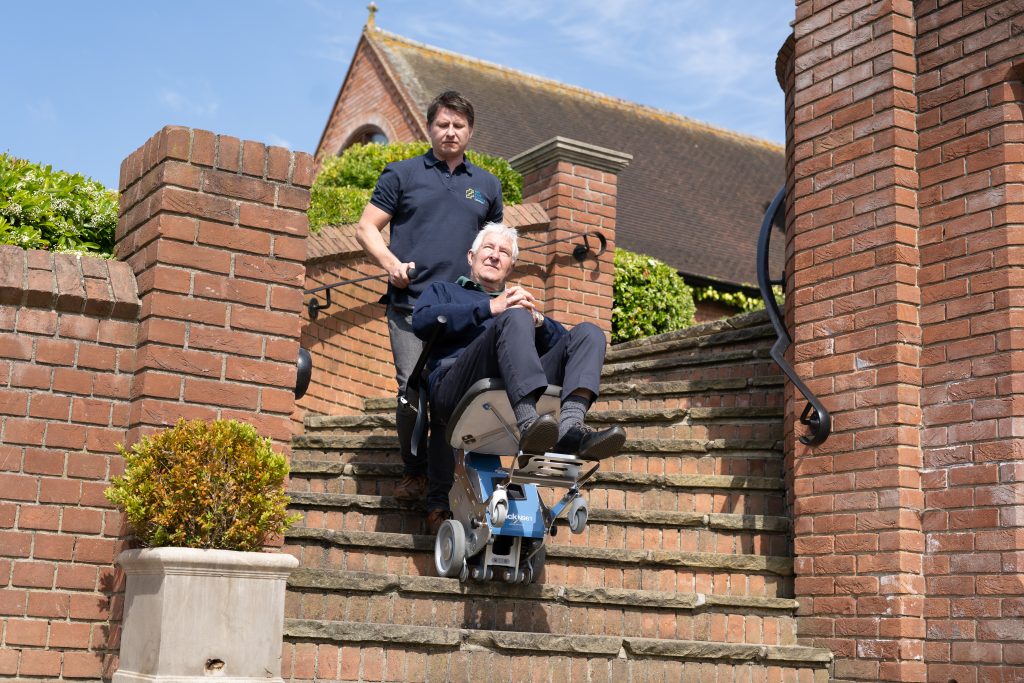
Evacuation Chair Training as an Integral Part of Your 2026 Compliance Plan
As organisations prepare their compliance strategies for 2026, evacuation planning must be given the attention it deserves. Fire safety legislation, inclusive access requirements, and duty of care obligations continue to place clear expectations on building owners and responsible persons. Evacuation chair training is no longer a secondary consideration. It is an essential component of a compliant, effective, and inclusive safety plan.
Facilities that rely on stairs must ensure that people with reduced mobility can be evacuated safely in an emergency. Evac chair training provides the skills, confidence, and competence needed to meet this responsibility and protect lives.
Why Evacuation Chair Training Is Essential for Compliance
Compliance is about more than equipment. Having evacuation chairs on site without trained staff creates a significant risk. Evacuation chair training ensures that designated staff understand how to deploy, operate, and manage evacuation chairs safely during high pressure situations.
In 2026, regulators and fire risk assessors continue to expect documented evidence of staff competence. Evac chair training supports compliance with fire safety guidance and demonstrates that evacuation arrangements are realistic and achievable.
Training also ensures consistency. Staff follow the same procedures, reducing confusion and improving coordination during an evacuation.
Supporting Inclusive Evacuation Planning
Inclusive evacuation planning ensures that everyone can leave a building safely, regardless of mobility. Evacuation chair training is a key enabler of inclusion. It ensures that staff are prepared to assist wheelchair users, people with temporary injuries, and individuals with reduced mobility.
Facilities that invest in Evac chair training show a clear commitment to equality and accessibility. This approach supports staff, visitors, and service users while reducing the risk of discrimination claims linked to inadequate evacuation provision.
Reducing Risk to Staff and Evacuees
Emergency situations place significant physical and emotional demands on staff. Without proper training, the risk of injury increases. Evacuation chair training teaches safe handling techniques, correct posture, and controlled descent methods that protect both the operator and the evacuee.
Evac chair training also addresses communication. Staff learn how to reassure evacuees, explain procedures, and maintain calm during evacuations. This improves outcomes and reduces panic during real incidents.
Preparing for 2026 Inspections and Audits
Fire safety audits and inspections often highlight gaps in evacuation planning. Inadequate training records, outdated procedures, or untrained staff are common issues.
Including Evacuation chair training in your 2026 compliance plan ensures that training is scheduled, documented, and reviewed regularly. This proactive approach provides clear evidence of due diligence during inspections and reduces the risk of enforcement action.
Evac chair training records also support internal audits and demonstrate that responsibilities are clearly assigned and managed.
Addressing Staff Turnover and Change
Workplaces are dynamic. Staff roles change, new employees join, and responsibilities shift. Evacuation chair training must account for this reality.
By embedding Evac chair training into ongoing compliance plans, facilities ensure that training is refreshed and new staff are trained promptly. This reduces reliance on a small number of individuals and strengthens overall resilience.
Regular refresher training also helps maintain confidence and ensures that skills remain current.
Practical and Site Specific Training
Effective Evacuation chair training is practical and relevant. Training should take place within the actual building, using the stairs and evacuation routes that would be used in an emergency.
Site specific Evac chair training allows staff to understand space constraints, landing widths, and stair layouts. This practical familiarity is critical during real evacuations.
Facilities that prioritise realistic training are better prepared and more confident when it matters most.
Building a Strong Safety Culture
Compliance should not be seen as a box ticking exercise. Evacuation chair training contributes to a wider culture of safety and responsibility.
When staff feel trained and supported, they are more engaged with safety procedures. Evac chair training reinforces the importance of preparedness and encourages proactive risk management across the organisation.
This culture benefits everyone and supports long term compliance beyond 2026.
Why 2026 Is the Year to Get It Right
As facilities review their safety strategies for 2026, now is the time to act. Booking Evacuation chair training early ensures availability, allows for structured planning, and avoids last minute pressure.
Making Evac chair training a central part of your compliance plan ensures that evacuation arrangements are robust, inclusive, and defensible. It also provides peace of mind that your facility is prepared to protect all occupants.
Conclusion
Evacuation chair training is an integral part of any 2026 compliance plan. It supports legal obligations, inclusive evacuation, and effective emergency response. Evac chair training ensures that staff are confident, equipment is used correctly, and evacuation plans are realistic.
Facilities that invest in professional evacuation chair training demonstrate responsibility, preparedness, and commitment to safety. As 2026 approaches, evacuation chair training should be prioritised as an essential element of compliance planning.
Key Takeaways
- Evacuation chair training is crucial for compliance with safety legislation and inclusive emergency planning.
- Training ensures staff can safely operate evacuation chairs, enhancing safety for all occupants during emergencies.
- Facilities must embed evacuation chair training in their 2026 compliance plans to document and demonstrate staff competence.
- Regular refresher training maintains skills and addresses staff turnover, ensuring readiness for real situations.
- Prioritizing practical, site-specific training builds a strong safety culture and supports effective emergency responses.
Estimated reading time: 5 minutes