

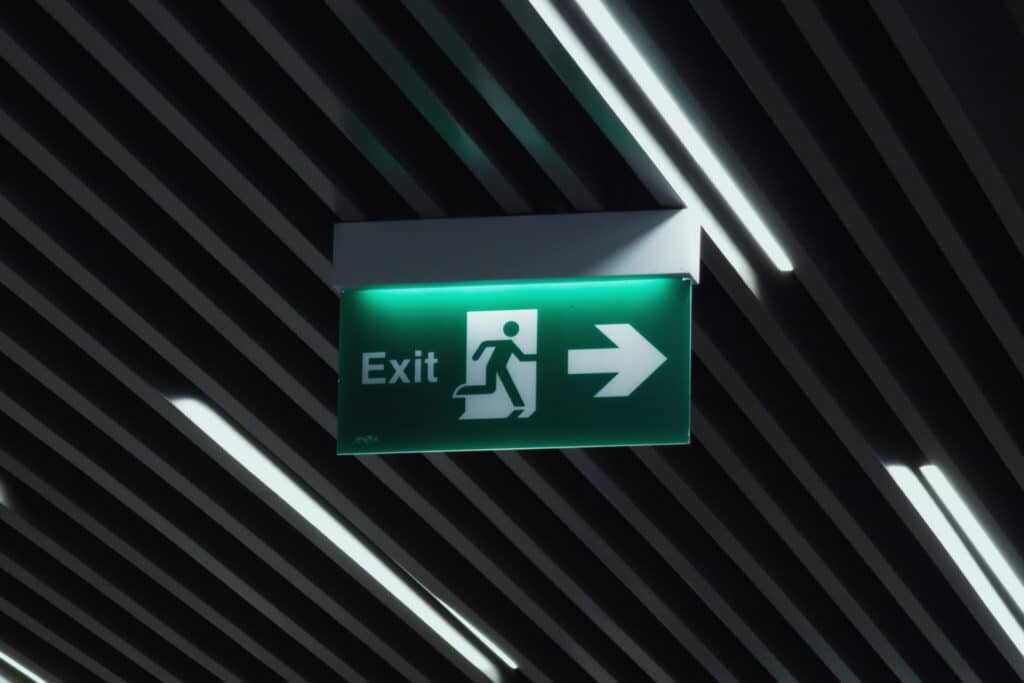
Evac Chair Training and Evac Chair Servicing for 2026 Compliance
Evac chair training is essential for building compliance in January 2026. Learn why being proactive with evac chair training and evac chair servicing protects occupants and reduces risk.
Evac Chair Training and January 2026 Compliance
Evac chair training has never been more important for organisations responsible for the safety of building occupants. As January 2026 approaches, compliance expectations around emergency evacuation planning, staff competency and equipment readiness are increasing. Buildings that rely on evacuation chairs must ensure staff are fully trained and equipment is correctly serviced. Being proactive rather than reactive is essential to protect life, meet legal duties and avoid serious consequences during an emergency.
Why Evac Chair Training Is Critical
Evacuation chairs are designed to assist people with reduced mobility to safely exit a building during an emergency. This includes wheelchair users, less able individuals, people with temporary injuries and those who cannot use stairs independently. However, an evacuation chair is only effective if staff are trained to deploy and operate it correctly.
Evac chair training ensures that designated staff understand how to assess risk, position the chair, secure the occupant and descend stairs in a controlled and safe manner. Without proper training, evacuation chairs can become a liability rather than a solution. Poor technique, hesitation or incorrect use can place both the user and the operator at risk.
January 2026 Compliance Expectations
By January 2026, organisations are expected to demonstrate that emergency evacuation arrangements are robust, documented and practiced. This includes having trained personnel in place and evidence of regular refresher training. Fire risk assessments increasingly reference the competence of staff responsible for assisted evacuation, making evac chair training a critical compliance requirement.
Regulatory bodies and enforcing authorities are placing greater scrutiny on how buildings plan for the evacuation of people with reduced mobility. A lack of training or outdated certification may be viewed as a failure to meet legal obligations under health and safety and fire safety legislation.
The Importance of Being Proactive
Waiting until an incident occurs or an inspection highlights shortcomings is a reactive approach that exposes organisations to unnecessary risk. Proactive investment in evac chair training allows buildings to identify gaps, improve procedures and build confidence among staff well in advance of January 2026.
Being proactive also reduces panic during real emergencies. Staff who are trained and familiar with evacuation chairs are more likely to act decisively and calmly. This leads to faster evacuations and better outcomes for everyone involved.
How Evac Chair Servicing Supports Compliance
Evac chair servicing is just as important as training. Regular servicing ensures that evacuation chairs are in safe working condition and ready for use at any time. Servicing includes checking brakes, tracks, harnesses and structural integrity, as well as ensuring the chair is stored correctly and accessible.
In the event of an inspection or incident, organisations may be required to provide evidence of evac chair servicing records. A well maintained evacuation chair supports training outcomes and reinforces a culture of safety and preparedness.
Linking Training and Servicing Together
Evac chair training and evac chair servicing should never be treated as separate responsibilities. Training should always reference the specific model of evacuation chair installed within the building. Servicing ensures that the equipment used during training mirrors real emergency conditions.
When staff train on poorly maintained or unfamiliar equipment, confidence and competence are undermined. A coordinated approach that combines regular training and scheduled servicing ensures consistency and reliability across the organisation.
Who Needs Evac Chair Training
Any building that accommodates people with reduced mobility must consider evac chair training. This includes offices, residential blocks, care homes, hospitals, schools, universities, hotels, retail spaces and public venues. Duty holders, facilities managers and health and safety leads are responsible for ensuring that sufficient trained staff are available at all times.
Staff turnover, shift patterns and building usage changes mean that training should be reviewed regularly. Refresher training is essential to maintain competence and demonstrate ongoing compliance.
Consequences of Non Compliance
Failure to provide adequate evac chair training and servicing can have serious consequences. In the event of an emergency, untrained staff may be unable to assist occupants safely. This can result in injury, loss of life and long lasting trauma.
From a legal perspective, organisations may face enforcement action, fines and reputational damage if they cannot demonstrate that reasonable steps were taken to protect vulnerable occupants. As January 2026 approaches, these risks become increasingly significant.
Planning Ahead for January 2026
Now is the time for organisations to review their evacuation strategies. This includes auditing existing evacuation chairs, checking servicing schedules, identifying training gaps and booking evac chair training well in advance. Early action avoids last minute pressure and ensures availability of qualified trainers.
Proactive planning also allows organisations to update Personal Emergency Evacuation Plans and General Emergency Evacuation Plans in line with current guidance and best practice.
Conclusion
Evac chair training is a fundamental component of building safety and emergency preparedness. With January 2026 compliance on the horizon, organisations must act now to ensure staff are trained, equipment is serviced and evacuation procedures are effective. Being proactive rather than reactive protects lives, supports legal compliance and builds confidence across the building. By prioritising evac chair training and evac chair servicing today, organisations can enter 2026 prepared, compliant and ready to respond when it matters most.
Key Takeaways
- Evac chair training is crucial for building compliance by January 2026; it protects occupants and reduces risks during emergencies.
- Organisations must ensure staff are trained and evacuation chairs are serviced to meet compliance requirements and avoid legal consequences.
- Proactive evac chair training leads to faster, calmer evacuations and builds staff confidence in emergency situations.
- Evac chair servicing is vital for maintaining safety and operational readiness, ensuring effective use during emergencies.
- Failure to provide necessary training and servicing can result in severe consequences, including injury, legal action, and reputational damage.
Estimated reading time: 5 minutes