
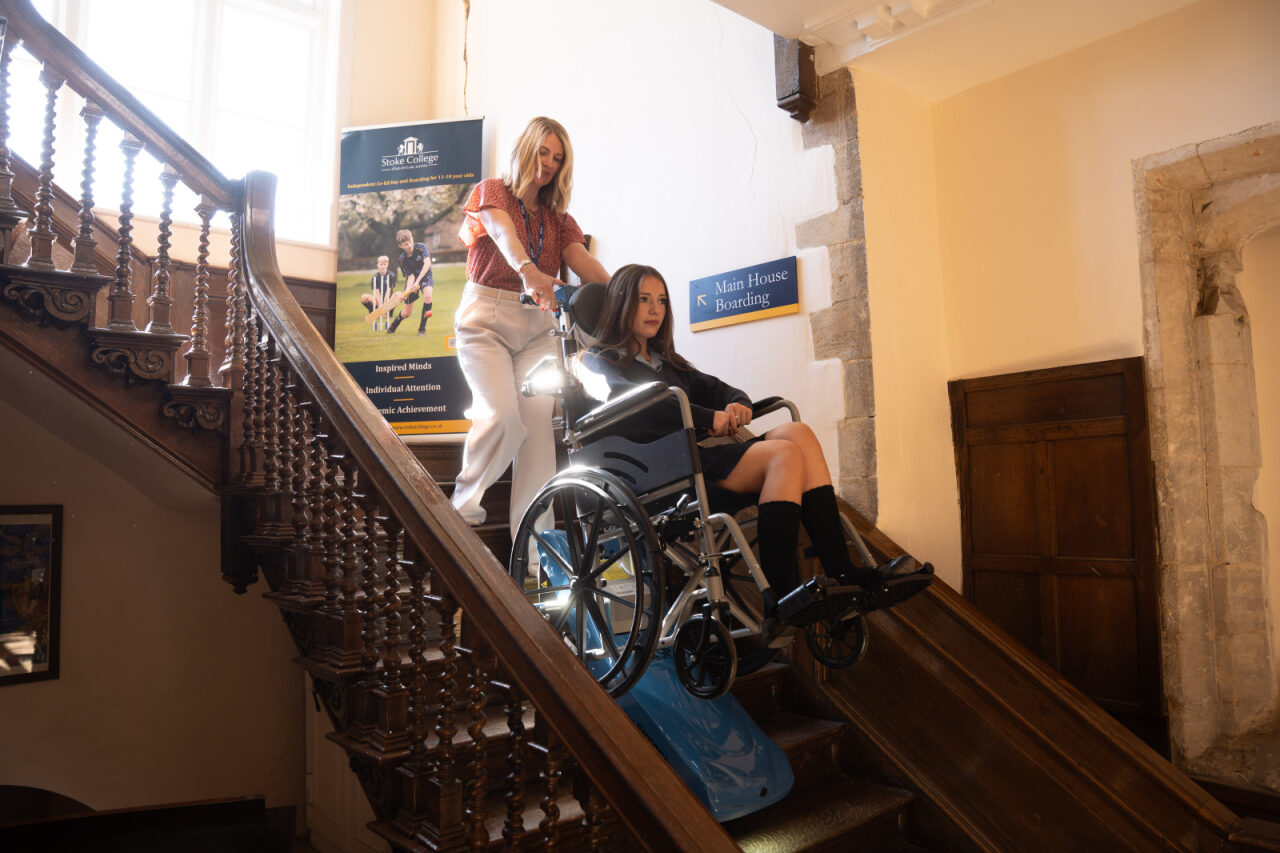

New Fire Regulations 2025 in the City of London: Why BEEPs, GEEPs, PEEPs and RPEEPs Are Critical for Building Safety
Introduction
The City of London is home to some of the most complex and densely occupied buildings in the United Kingdom. From high rise residential towers and historic listed buildings to commercial skyscrapers and mixed use developments, fire safety management within the Square Mile has never been more important.
With the introduction of the new fire regulations in 2025, building owners, responsible persons, facilities managers and commercial landlords across the City of London are under increasing pressure to improve emergency evacuation procedures and demonstrate full compliance with updated fire safety legislation.
At the centre of these changes are Building Emergency Evacuation Plans (BEEPs), General Emergency Evacuation Plans (GEEPs), Personal Emergency Evacuation Plans (PEEPs) and Residential Personal Emergency Evacuation Plans (RPEEPs).
These evacuation plans are rapidly becoming essential for protecting occupants, supporting emergency services and ensuring compliance across both residential and commercial buildings throughout the City of London.
Why Fire Safety Is a Major Focus in the City of London
The City of London presents unique fire safety challenges compared to many other parts of the UK.
The area includes:
- High occupancy office towers
- Mixed use developments
- Luxury residential apartments
- Heritage and listed buildings
- Underground infrastructure
- Crowded public spaces
- High footfall commercial environments
Many buildings operate around the clock, with thousands of workers, residents and visitors moving through the area daily.
As a result, emergency evacuation planning within the City of London must be highly organised, clearly documented and capable of handling complex fire scenarios.
The 2025 fire regulations are designed to strengthen accountability and improve evacuation preparedness across all building types.
What Are the 2025 Fire Regulations?
The updated fire safety regulations build on previous reforms introduced through:
- The Building Safety Act
- The Fire Safety Act
- Amendments to the Regulatory Reform (Fire Safety) Order 2005
- Recommendations from the Grenfell Tower Inquiry
The new regulations place stronger emphasis on:
- Emergency evacuation procedures
- Protection of vulnerable occupants
- Fire safety accountability
- Communication systems
- Evacuation planning documentation
- Fire risk assessments
- Building safety management
For buildings across the City of London, compliance now requires far more than a standard fire risk assessment.
Responsible persons are expected to implement detailed Building Emergency Evacuation Plans and provide clear strategies for evacuating all occupants safely.
What Is a BEEP?
A Building Emergency Evacuation Plan (BEEP) is a structured evacuation strategy developed for an entire building.
A BEEP outlines:
- Emergency escape routes
- Fire alarm procedures
- Evacuation methods
- Assembly points
- Roles and responsibilities
- Emergency communication systems
- Procedures for vulnerable occupants
- Coordination with fire and rescue services
In the City of London, BEEPs are especially important because many buildings have:
- Multiple tenants
- High occupant numbers
- Complex layouts
- Secure access systems
- High rise evacuation challenges
Without a properly developed Building Emergency Evacuation Plan, buildings may struggle to demonstrate compliance with modern fire safety expectations.
Why BEEPs Are Essential in City of London Buildings
The City of London contains some of the tallest and busiest buildings in the UK.
In these environments, evacuation confusion during a fire emergency can have serious consequences.
A well developed BEEP helps:
- Improve evacuation speed
- Reduce panic during emergencies
- Clarify staff responsibilities
- Protect occupants and visitors
- Support fire brigade operations
- Improve compliance with fire safety legislation
The London Fire Brigade continues to encourage stronger evacuation planning, particularly within high rise and complex commercial buildings.
For office developments, financial institutions and residential towers within the City of London, Building Emergency Evacuation Plans are becoming a core part of fire safety management.
The Growing Importance of RPEEPs in Residential Buildings
Residential Personal Emergency Evacuation Plans (RPEEPs) are becoming increasingly important within residential developments across the City of London.
Luxury apartment towers, build to rent schemes and mixed use developments often house residents with varying mobility and accessibility needs.
An RPEEP is a personalised evacuation strategy designed for residents who may not be able to self evacuate during an emergency.
This includes individuals with:
- Mobility impairments
- Hearing loss
- Visual impairments
- Cognitive conditions
- Temporary injuries
- Age related vulnerabilities
The plan identifies:
- Required evacuation assistance
- Safe evacuation methods
- Refuge arrangements
- Communication procedures
- Equipment requirements
Following concerns raised during the Grenfell Inquiry, RPEEPs are now viewed as a vital part of residential fire safety planning.
Why RPEEPs Matter in the City of London
Many residential buildings in the City of London operate under stay put strategies. However, recent regulatory changes recognise that vulnerable residents require more detailed evacuation planning.
RPEEPs help residential building owners:
- Protect vulnerable occupants
- Improve emergency response procedures
- Support fire and rescue services
- Demonstrate compliance
- Reduce liability risks
- Improve resident confidence
For landlords, housing providers and property management companies, implementing Residential Personal Emergency Evacuation Plans is becoming increasingly important under the new fire safety framework.
What Is a GEEP?
A General Emergency Evacuation Plan (GEEP) is a broader evacuation strategy used within commercial and public access buildings.
Unlike individual PEEPs, GEEPs focus on groups of people who may require evacuation support.
In the City of London, GEEPs are particularly important due to the large number of:
- Visitors
- Contractors
- Temporary workers
- Clients
- Public occupants
A GEEP may include evacuation procedures for:
- Wheelchair users
- Pregnant individuals
- Elderly visitors
- Temporary injuries
- People unfamiliar with the building
Commercial buildings across the City of London are increasingly expected to implement GEEPs as part of inclusive fire safety management.
Why GEEPs Are Important for Commercial Buildings
Commercial office towers within the City of London often accommodate thousands of occupants daily.
During an emergency, managing the safe evacuation of vulnerable groups requires detailed planning.
A properly implemented GEEP helps businesses:
- Meet Equality Act responsibilities
- Improve emergency preparedness
- Reduce evacuation delays
- Support fire risk assessment findings
- Improve overall building safety
GEEPs are especially relevant for:
- Financial institutions
- Corporate headquarters
- Co working spaces
- Conference venues
- Retail developments
- Public buildings
As enforcement standards increase in 2025, businesses without suitable evacuation strategies may face significant compliance risks.
Understanding PEEPs in Commercial Environments
A Personal Emergency Evacuation Plan (PEEP) is an individual evacuation plan developed for employees or regular building users who require assistance during emergencies.
PEEPs are tailored to the individual and may include:
- Escape route guidance
- Evacuation chair procedures
- Refuge point arrangements
- Alarm communication systems
- Assigned evacuation assistants
In commercial buildings throughout the City of London, employers have a duty to ensure all staff can evacuate safely during emergencies.
PEEPs form a key part of this responsibility.
PEEPs and Employer Responsibilities in the City of London
Employers operating within the City of London must comply with both fire safety legislation and equality obligations.
A properly managed PEEP demonstrates that an organisation has:
- Assessed individual evacuation needs
- Implemented reasonable adjustments
- Planned for emergency scenarios
- Prioritised employee safety
Failure to provide adequate Personal Emergency Evacuation Plans may expose organisations to:
- Enforcement notices
- Legal claims
- Health and safety breaches
- Reputational damage
For businesses operating within high profile commercial districts, fire safety compliance is now closely linked to corporate responsibility and risk management.
How BEEPs, GEEPs, PEEPs and RPEEPs Work Together
The new fire regulations encourage a layered approach to evacuation planning.
Each evacuation strategy serves a different purpose:
| Plan Type | Purpose | Typical Environment |
|---|---|---|
| BEEP | Whole building evacuation strategy | Residential and commercial |
| GEEP | Group evacuation arrangements | Commercial and public buildings |
| PEEP | Individual workplace evacuation plan | Commercial buildings |
| RPEEP | Individual residential evacuation plan | Residential properties |
Together, these plans create a comprehensive emergency evacuation framework that improves safety for all building occupants.
Fire Risk Assessments and Evacuation Planning
A fire risk assessment remains the foundation of fire safety compliance.
However, under the 2025 regulations, assessments must now demonstrate how occupants can evacuate safely during realistic emergency conditions.
For buildings in the City of London, this means considering:
- High occupancy levels
- Building height
- Complex evacuation routes
- Vulnerable occupants
- Public access areas
- Emergency communication systems
Building Emergency Evacuation Plans must align closely with fire risk assessment findings to ensure full compliance.
Technology and Modern Fire Safety Systems
Many City of London buildings are now investing in advanced fire safety technology to support evacuation planning.
This includes:
- Smart fire alarm systems
- Refuge communication systems
- Digital evacuation platforms
- Emergency voice communication
- Occupant monitoring systems
- Real time emergency messaging
Technology is becoming increasingly important for supporting BEEPs, GEEPs, PEEPs and RPEEPs within complex buildings.
For high rise developments, integrated evacuation systems can significantly improve emergency response efficiency.
Best Practice for City of London Buildings
To meet the new fire safety expectations, building owners and responsible persons should:
Conduct Comprehensive Fire Risk Assessments
Identify evacuation risks, vulnerable occupants and escape route limitations.
Develop Detailed BEEPs
Ensure building wide evacuation procedures are clearly documented.
Implement PEEPs and RPEEPs
Support individuals who may require evacuation assistance.
Introduce GEEPs Where Appropriate
Provide inclusive evacuation arrangements for visitors and groups.
Train Occupants and Staff
Regular evacuation drills improve emergency preparedness.
Review Plans Regularly
Building occupancy and risks change over time.
The Future of Fire Safety in the City of London
The direction of travel is clear. Fire safety management is becoming more accountable, more inclusive and more heavily regulated.
Future trends are likely to include:
- Increased enforcement activity
- Greater focus on vulnerable occupants
- More advanced evacuation technology
- Stronger documentation requirements
- Improved emergency communication systems
For buildings across the City of London, proactive evacuation planning will become essential for maintaining compliance and protecting occupants.
Conclusion
The new fire regulations in 2025 are reshaping how residential and commercial buildings manage emergency evacuation procedures across the City of London.
Building Emergency Evacuation Plans, General Emergency Evacuation Plans, Personal Emergency Evacuation Plans and Residential Personal Emergency Evacuation Plans are now fundamental components of modern fire safety management.
For residential properties, BEEPs and RPEEPs provide critical protection for vulnerable residents and improve emergency response planning.
For commercial buildings, GEEPs and PEEPs ensure businesses can safely evacuate employees, visitors and members of the public during fire emergencies.
As regulatory expectations continue to evolve, building owners and responsible persons throughout the City of London must prioritise robust evacuation planning, staff training and fire safety compliance.
Effective building emergency evacuation plans save lives, reduce risk and support safer buildings across one of the busiest and most important commercial districts in the world.
Key Takeaways
- The 2025 fire regulations in the City of London emphasize evacuation plans like BEEPs, GEEPs, PEEPs, and RPEEPs for building safety.
- BEEPs outline comprehensive evacuation strategies for entire buildings, focusing on roles, escape routes, and coordination with emergency services.
- Residential and commercial buildings must develop these plans to protect occupants and comply with modern fire safety legislation.
- Implementing GEEPs and PEEPs ensures support for vulnerable individuals and improves overall evacuation preparedness.
- As fire safety management evolves, robust planning and regular training become essential to maintain compliance in high-occupancy environments.
Estimated reading time: 9 minutes