

New Fire Regulations 2025: Why BEEPs, GEEPs, PEEPs and RPEEPs Are Now Essential for Building Safety
Introduction
The fire safety landscape in the United Kingdom is changing rapidly in 2025. Following years of scrutiny around building safety, emergency preparedness and evacuation failures, the latest fire regulations are placing a stronger focus on structured evacuation planning across both residential and commercial properties.
At the centre of these new expectations are Building Emergency Evacuation Plans (BEEPs), Residential Personal Emergency Evacuation Plans (RPEEPs), General Emergency Evacuation Plans (GEEPs) and Personal Emergency Evacuation Plans (PEEPs).
These plans are no longer considered optional best practice. They are becoming critical tools for demonstrating compliance, protecting vulnerable occupants and improving emergency response procedures during fire incidents.
For building owners, responsible persons, facilities managers and fire safety professionals, understanding the role of BEEPs, GEEPs, PEEPs and RPEEPs is essential for compliance in 2025 and beyond.
What Are the New Fire Regulations in 2025?
The 2025 fire safety updates build upon reforms introduced after the Grenfell Tower tragedy and the introduction of the Building Safety Act, the Fire Safety Act and amendments to the Regulatory Reform (Fire Safety) Order 2005.
The latest changes focus heavily on:
- Occupant evacuation planning
- Vulnerable resident protection
- Accountability for responsible persons
- Emergency communication procedures
- Fire risk assessment improvements
- Enhanced evacuation documentation
- Competency in fire safety management
A major shift within the regulations is the requirement for clearer evacuation planning for all occupants, particularly individuals who may require assistance during an emergency.
This is where BEEPs, GEEPs, PEEPs and RPEEPs become critically important.
What Is a BEEP?
A Building Emergency Evacuation Plan (BEEP) is a structured evacuation strategy designed for an entire building.
A BEEP outlines:
- Emergency escape routes
- Evacuation procedures
- Assembly points
- Roles and responsibilities
- Fire alarm response procedures
- Communication systems
- Procedures for disabled occupants
- Coordination with emergency services
The purpose of a BEEP is to ensure every occupant understands how to evacuate safely during an emergency.
BEEPs are particularly important in:
- Residential apartment blocks
- High rise buildings
- Commercial offices
- Mixed use developments
- Student accommodation
- Healthcare environments
- Public buildings
The new fire regulations increasingly expect building owners to have documented Building Emergency Evacuation Plans in place as part of a broader fire safety management system.
Why BEEPs Are Critical Under the 2025 Fire Regulations
The updated regulations recognise that a fire risk assessment alone is not enough. Buildings must also demonstrate how occupants can evacuate safely in real emergency conditions.
A compliant BEEP helps responsible persons:
- Demonstrate legal compliance
- Improve occupant safety
- Reduce evacuation confusion
- Coordinate emergency response
- Protect vulnerable residents
- Reduce liability risks
- Support fire and rescue services
Without a robust Building Emergency Evacuation Plan, building owners may struggle to prove they have adequately considered evacuation procedures for all occupants.
This is especially important in buildings where stay put policies may no longer be appropriate under certain fire scenarios.
Understanding RPEEPs in Residential Properties
One of the biggest changes within residential fire safety is the growing importance of Residential Personal Emergency Evacuation Plans (RPEEPs).
An RPEEP is a personalised evacuation plan designed for residents who may struggle to self evacuate during a fire emergency.
This can include individuals with:
- Mobility impairments
- Visual impairments
- Hearing impairments
- Cognitive conditions
- Temporary injuries
- Age related vulnerabilities
The purpose of an RPEEP is to identify:
- The assistance required
- Evacuation methods
- Safe refuge arrangements
- Communication procedures
- Equipment needs
- Staff or responder responsibilities
The push for RPEEPs reflects a growing recognition that vulnerable residents cannot be overlooked within residential evacuation planning.
Why RPEEPs Matter in 2025
Historically, many residential buildings relied heavily on stay put policies. However, the Grenfell Inquiry highlighted serious concerns around evacuation support for disabled residents.
The new regulatory direction aims to ensure that vulnerable occupants are not left without a practical evacuation strategy.
RPEEPs are important because they:
- Improve safety for vulnerable residents
- Provide clarity during emergencies
- Help emergency services respond effectively
- Reduce panic and delays
- Support legal compliance
- Demonstrate inclusive fire safety management
Responsible persons must now think beyond generic evacuation plans and consider individual resident needs within residential properties.
For housing associations, property management companies and residential building owners, RPEEP implementation is becoming a major compliance priority.
What Is a GEEP?
A General Emergency Evacuation Plan (GEEP) is a broader evacuation strategy used primarily in commercial and public buildings.
Unlike a PEEP, which focuses on an individual, a GEEP addresses general evacuation arrangements for groups of occupants who may require assistance.
A GEEP may include procedures for:
- Wheelchair users
- Visitors unfamiliar with the building
- Contractors
- Pregnant occupants
- Elderly staff
- Individuals requiring temporary assistance
The aim is to ensure a safe evacuation process exists even when individual PEEPs are not practical for every building user.
The Importance of GEEPs in Commercial Buildings
Commercial properties face unique challenges during emergencies due to changing occupancy levels and transient visitors.
The 2025 fire regulations place increasing emphasis on demonstrating inclusive evacuation procedures within workplaces and public access buildings.
A properly developed GEEP can help organisations:
- Meet Equality Act obligations
- Improve emergency preparedness
- Protect employees and visitors
- Reduce evacuation times
- Support fire risk assessment findings
- Improve compliance evidence
GEEPs are especially valuable in:
- Shopping centres
- Office buildings
- Hotels
- Hospitals
- Universities
- Entertainment venues
- Public buildings
Businesses that fail to implement suitable evacuation strategies may face enforcement action, reputational damage and increased liability exposure.
What Is a PEEP?
A Personal Emergency Evacuation Plan (PEEP) is an individual evacuation strategy designed for a specific person within a workplace or commercial environment.
PEEPs are tailored to the individual’s needs and may include:
- Escape route guidance
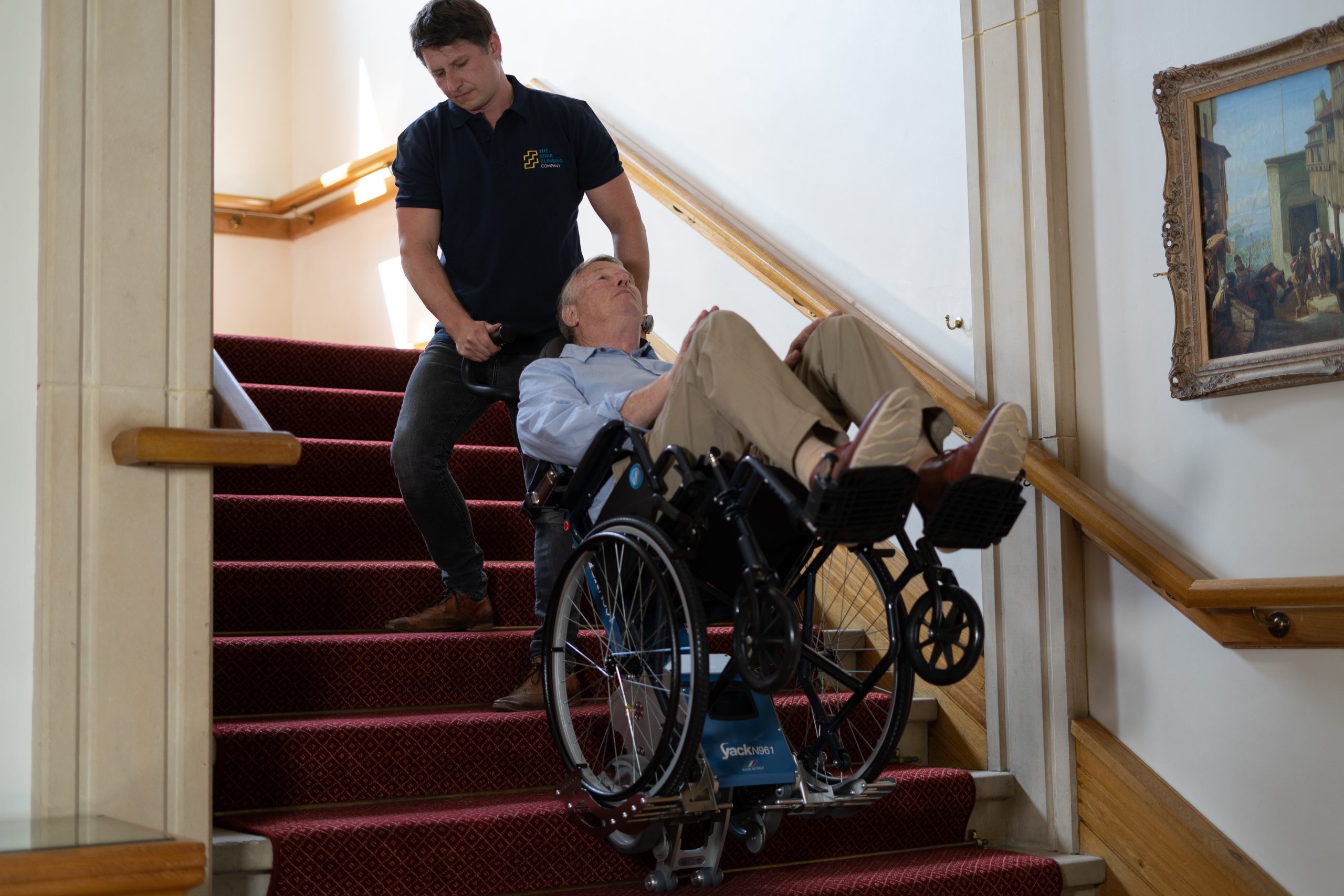
- Evacuation chair procedures
- Assistance arrangements
- Alarm communication methods
- Refuge point procedures
- Training requirements
PEEPs are commonly developed for employees with disabilities or long term health conditions.
Under the new fire safety expectations, employers must take a proactive approach to ensuring all staff can evacuate safely during emergencies.
PEEPs and Employer Responsibilities
Employers and responsible persons have legal obligations under both fire safety and equality legislation.
A properly implemented PEEP demonstrates that the organisation has:
- Assessed individual evacuation needs
- Implemented reasonable adjustments
- Planned for emergency scenarios
- Considered staff welfare and safety
Failing to provide adequate evacuation arrangements could expose businesses to:
- Fire enforcement notices
- Legal claims
- Health and safety breaches
- Reputational harm
PEEPs are no longer simply a paperwork exercise. They are a core component of modern building safety management.
How BEEPs, GEEPs, PEEPs and RPEEPs Work Together
One of the most important aspects of the 2025 fire regulations is the expectation that evacuation planning works as a complete system.
Each evacuation strategy supports a different level of emergency preparedness:
| Plan Type | Purpose | Environment |
|---|---|---|
| BEEP | Whole building evacuation strategy | Residential and commercial |
| GEEP | Group based evacuation arrangements | Commercial and public buildings |
| PEEP | Individual workplace evacuation plan | Commercial environments |
| RPEEP | Individual residential evacuation plan | Residential properties |
Together, these plans create a layered evacuation framework that improves safety for all occupants.
The Role of Responsible Persons
Under UK fire safety legislation, the responsible person carries legal accountability for ensuring adequate fire precautions are in place.
This includes:
- Conducting fire risk assessments
- Maintaining fire safety systems
- Developing evacuation procedures
- Protecting vulnerable occupants
- Training staff
- Coordinating emergency planning
The introduction of stronger expectations around BEEPs, GEEPs, PEEPs and RPEEPs means responsible persons must now take a more proactive approach to evacuation planning.
Ignoring these requirements could result in:
- Enforcement notices
- Unlimited fines
- Criminal prosecution
- Increased insurance risks
Technology and Modern Evacuation Planning
Modern fire safety technology is playing a major role in supporting Building Emergency Evacuation Plans.
Many buildings are now integrating:
- Smart alarm systems
- Two way communication systems
- Refuge alert systems
- Digital evacuation records
- Emergency lighting monitoring
- Occupant tracking systems
These technologies can significantly improve evacuation efficiency and support compliance with evolving fire safety regulations.
For high rise residential buildings, technology is becoming increasingly important in supporting RPEEP implementation.
Best Practice for Implementing BEEPs and GEEPs
To ensure compliance and effectiveness, organisations should follow best practice when developing evacuation plans.
Key Steps Include:
Conduct a Detailed Fire Risk Assessment
A fire risk assessment should identify:
- Vulnerable occupants
- Building layout risks
- Escape route limitations
- Fire protection measures
Review Occupant Needs
Understand who may require assistance during evacuation.
Develop Clear Procedures
Evacuation procedures should be easy to understand and regularly reviewed.
Train Staff and Occupants
Regular drills and training sessions improve response times and reduce confusion.
Coordinate With Fire Services
Emergency responders should understand the building’s evacuation strategy.
Review Plans Regularly
Building occupancy and risks can change over time.
Challenges Facing Building Owners in 2025
While the benefits of BEEPs, GEEPs, PEEPs and RPEEPs are clear, implementation can present challenges.
Common issues include:
- Lack of staff training
- Budget pressures
- Complex building layouts
- High resident turnover
- Resistance to change
- Limited evacuation equipment
However, delaying implementation creates far greater long term risks.
The regulatory direction is clear. Building evacuation planning is becoming more detailed, more accountable and more enforceable.
Future Trends in Fire Safety and Evacuation Planning
The future of fire safety will likely involve:
- Greater accountability for building owners
- More digital evacuation planning
- Enhanced resident engagement
- Stronger enforcement activity
- Increased focus on disabled occupant safety
- More integrated building safety systems
BEEPs, GEEPs, PEEPs and RPEEPs will continue to form the foundation of modern evacuation planning.
Organisations that invest in robust emergency evacuation procedures now will be better prepared for future regulatory changes.
Conclusion
The new fire regulations in 2025 represent a major shift in how building safety is managed across the UK.
The growing importance of Building Emergency Evacuation Plans, General Emergency Evacuation Plans, Personal Emergency Evacuation Plans and Residential Personal Emergency Evacuation Plans reflects a wider commitment to inclusive, practical and accountable fire safety management.
For residential properties, RPEEPs and BEEPs are becoming essential tools for protecting vulnerable residents and supporting emergency response procedures.
For commercial buildings, GEEPs and PEEPs are critical for ensuring safe evacuation arrangements for employees, visitors and members of the public.
Building owners, responsible persons and facilities managers must act now to review their evacuation strategies, update procedures and ensure compliance with evolving fire safety legislation.
Effective evacuation planning saves lives, improves compliance and strengthens overall building resilience in the face of emergency situations.
Key Takeaways
- In 2025, new fire regulations emphasize the importance of BEEPs, GEEPs, PEEPs, and RPEEPs for building safety.
- BEEPs ensure effective evacuation plans for entire buildings, crucial for compliance and occupant safety.
- RPEEPs focus on assisting vulnerable residents during evacuations, reflecting a shift in residential fire safety.
- GEEPs provide group evacuation strategies, essential for commercial buildings and improving emergency preparedness.
- Building owners must adapt to these requirements to enhance safety and meet legal obligations.
Estimated reading time: 9 minutes