


Training
Train the Operator (Certificated for 2 years)
A standard one to one training package focusing on getting that one individual up to speed on the operation of any Evacuation or Powered Evacuation chair. This is a practical course with a qualification focused on competency.
Duration 1 hour
Cost £250plus vat
Train the Team (Certificated for 2 years)
Group training for up to 4 staff will focus on the same curriculum as Train the Operator but for multiple candidates. This is a practically assessed course with the course leader awarding for competency.
Duration 2.5 hours
Cost £350plus vat
Train the Trainer (Certificated for 2 years)
Train the Trainer takes training into a more in depth level with a later focus on the candidates training further team members. The course is designed for up to 3 candidates. This course has three areas of assessment, competency on the equipment, competency to coach others and a theory test made up of information gathered throughout the course.
Duration 2.5 hours
Cost £750plus vat
Contact Today For A Free Training Quote or Call On 01787 736702
Evacuation Chair Training in London & the UK Why It Matters and How to Get It Right
Evacuation chair training in London is essential for organisations that want to protect the safety and dignity of all building users. Evacuation chairs provide a practical method for moving people with reduced mobility down staircases during emergencies. They are critical in environments where lifts may be unavailable or unsafe in a fire, power failure or evacuation scenario. In this article we explain why evacuation chair training is important, what it involves, and where businesses and facilities managers in London can access high quality training that meets best practice for safety and compliance.
Evacuation chair training in London supports not only building compliance but also confidence and preparedness for staff who may need to use the equipment under pressure. When combined with effective planning, training helps organisations meet evacuation expectations and deliver safer outcomes for everyone.
What is Evacuation Chair Training
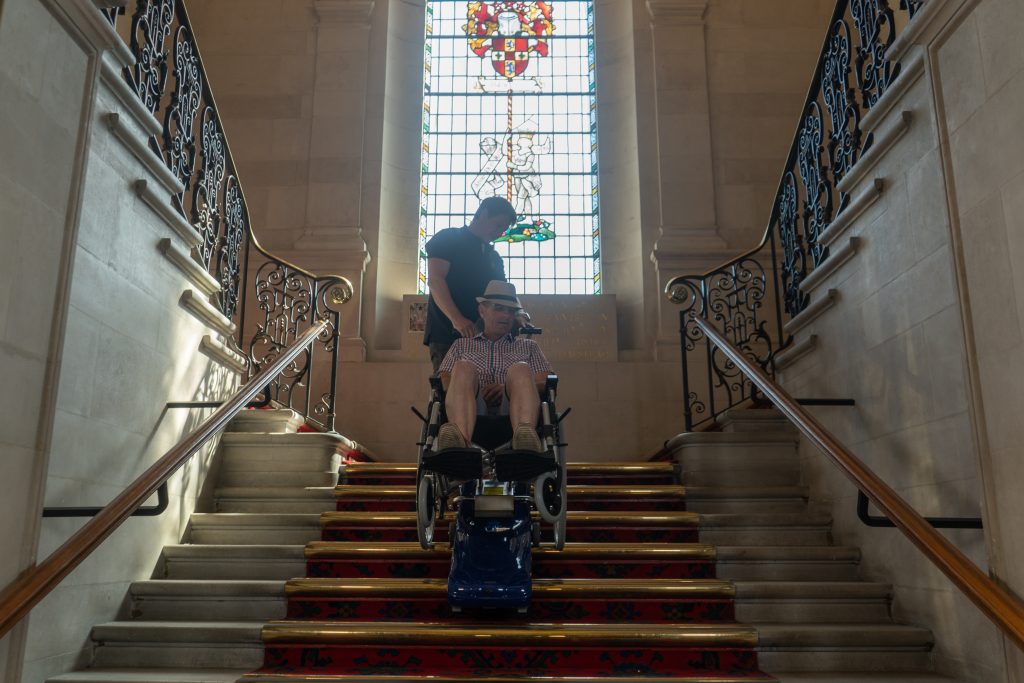
Evacuation chair training teaches staff how to use evacuation chairs safely and effectively in an emergency situation. An evacuation chair is designed to help move a person with reduced mobility down stairwells when a lift is unavailable. While the device itself provides controlled descent, correct use depends on training, practice and familiarity.
Training typically covers:
- Understanding when and how to use an evacuation chair
- Safe transfer techniques from wheelchair to evacuation chair
- Controlled descent on different types of stairs
- Communication between operator and evacuee during movement
- Inspection and maintenance checks before use
Without training, the risk of injury increases both for the person being evacuated and the assistant. Evacuation chair training ensures that staff understand the equipment and can act quickly and confidently.
Why London Organisations Need Evacuation Chair Training
London buildings are diverse and often busy. Offices, residential buildings, hospitals, transport hubs, schools and heritage venues all have staircases and multi storey layouts. Many of these buildings rely on passenger lifts for everyday accessibility. In an emergency or lift failure, staircases are the only usable route.
Evacuation chair training in London ensures that staff are prepared for a situation when lifts are shut down, such as during fire alarms. In these cases evacuation chairs support safe movement down stairs and can be crucial for people who cannot use stairs unassisted.
UK fire safety guidance expects that evacuation plans are supported by trained staff. A well rehearsed evacuation procedure improves confidence and reduces risk for wheelchair users and people with limited mobility in high stress scenarios.
Legal and Safety Context in the UK
Evacuation planning falls under broader fire safety and health and safety responsibilities for organisations in the UK. The Health and Safety Executive (HSE) highlights that appropriate training is vital to reducing risk during manual handling tasks and emergency procedures. https://www.hse.gov.uk/msd/manual-handling/training.htm
While evacuation chairs are not defined by a specific UK regulation, they form part of a sensible evacuation strategy, especially where lifts cannot be used in emergencies. Fire safety guidance and risk assessments should include evacuation routes, refuges and evacuation aids for people with reduced mobility.
Organisations that provide health and social care services may refer to the NHS England evacuation and shelter guidance, which outlines general principles for planning evacuations and ensuring preparedness. https://www.england.nhs.uk/long-read/evacuation-and-shelter-guidance-for-the-nhs-in-england/
Facilities managers and building owners should also align evacuation chair training with workplace evacuation plans and fire safety audits. This ensures that staff training and equipment deployment match risk assessments and building use.
What Good Evacuation Chair Training Includes
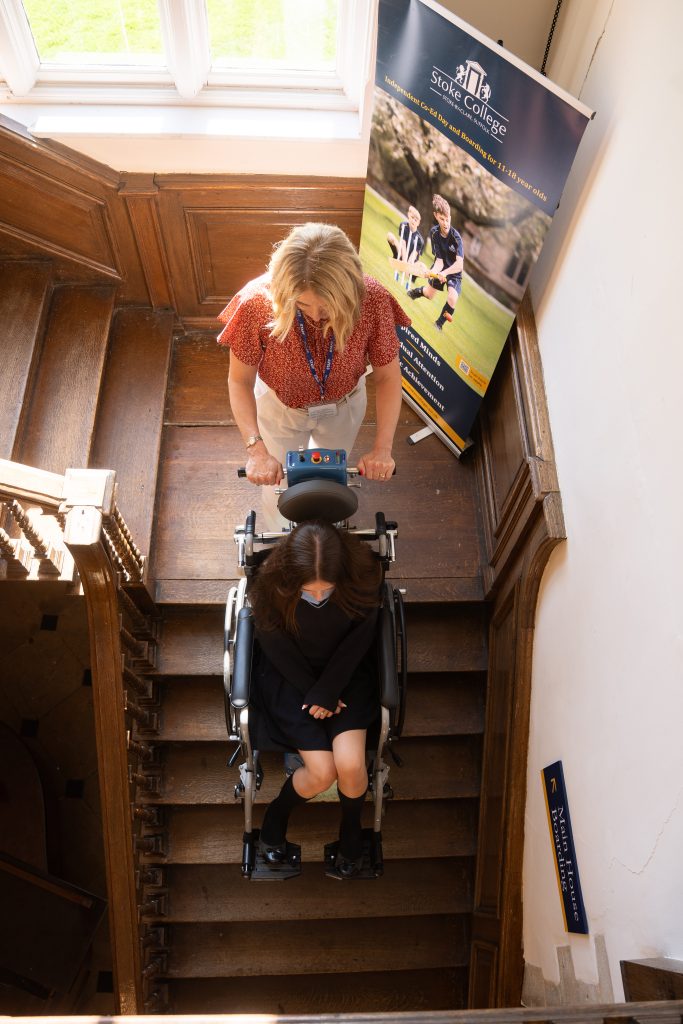
A high quality evacuation chair training course will cover both theory and hands on practice. In London there are training providers that offer courses tailored to:
- Fire marshals and building safety officers
- Facilities management teams
- Reception and front of house staff
- Healthcare and residential care teams
- Volunteer and event teams in heritage and community venues
Training should include:
- Understanding evacuation scenarios and planning
- Recognition of appropriate use cases
- Practical drills on staircases
- Safe transfer and descent techniques
- Communication skills in evacuation scenarios
- Regular refresher sessions
Effective training also prepares staff to inspect and maintain evacuation chairs so that they remain ready for use when conditions demand them.
Benefits of Evacuation Chair Training in London
Organisations that invest in evacuation chair training in London benefit in multiple ways:
- Increased confidence: Staff feel equipped to support people safely
- Improved readiness: Teams rehearse scenarios rather than rely on theory
- Greater dignity for evacuees: People with reduced mobility are supported safely
- Stronger compliance: Training meets fire safety and evacuation expectations
- Reduced risk: Proper use reduces potential injuries during emergency movement
Estimated reading time: 7 minutes
Evacuation chair training is a proactive step that complements fire drills and evacuation planning. It strengthens organisational resilience and ensures that evacuation strategies work for everyone.

Choosing Evacuation Chair Training in London
When selecting evacuation chair training, London organisations should consider:
- Course content and trainer experience
- Practical time spent on staircases
- Trainer qualifications in health and safety and manual handling
- Integration with existing evacuation planning
- Refresher and repeat training options
Many providers also offer on site training, which allows staff to practice with the actual equipment and on the staircases they will use in an emergency. This increases relevance and confidence.
Familiarity with equipment inspections, storage and documentation further enhances readiness.
Evacuation chair training in London equips staff with the skills and confidence to assist people with reduced mobility during emergencies. It forms a vital part of evacuation planning where lifts may be disabled and staircases are the only available route. By combining theory, practical drills and regular refresher sessions, organisations can improve safety, confidence and compliance. NHS guidance and HSE training principles support the need for well planned and delivered emergency procedures. Investing in evacuation chair training helps ensure that everyone can be brought to safety with dignity and control.
NHS England evacuation and shelter guidance: https://www.england.nhs.uk/long-read/evacuation-and-shelter-guidance-for-the-nhs-in-england/
HSE Manual Handling training guidance: https://www.hse.gov.uk/msd/manual-handling/training.htm
Institute of Workplace and Facilities Management home page: https://www.iwfm.org.uk/
Fire safety and evacuation plans GOV.UK: https://www.gov.uk/workplace-fire-safety-your-responsibilities/fire-safety-and-evacuation-plans
Key Takeaways
- Evacuation chair training in London is essential for ensuring the safety and dignity of individuals with reduced mobility during emergencies.
- The training teaches staff how to use evacuation chairs and includes practical drills on staircases, safe transfer techniques, and effective communication.
- Organisations benefit from increased confidence, improved readiness, greater dignity for evacuees, stronger compliance, and reduced risk of injury.
- Proper training aligns with fire safety regulations and prepares staff for emergency situations when lifts are unavailable.
- Choosing the right training involves considering course content, trainer experience, and practical application on-site.